Top 5 Common Chemical Pump Failures & How to Prevent Them
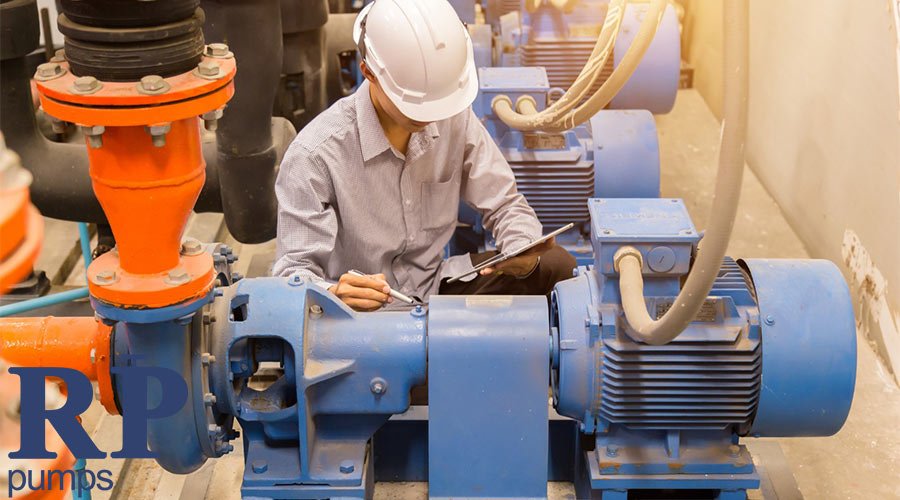
Chemical pumps are the backbone of many industrial processes, from water treatment plants to chemical manufacturing facilities. Their ability to handle aggressive, abrasive, and hazardous fluids makes them indispensable. However, like any mechanical equipment, chemical pumps are prone to failure if not properly maintained. Understanding the most common causes of breakdowns can help operators avoid costly downtime, extend pump lifespan, and ensure safe operations. Below, we’ll explore the top 5 chemical pump failures and provide practical solutions for preventing them.
This article examines the following topics:
1. Seal Leaks – The Most Frequent Failure
The issue:
Mechanical seals are one of the most common points of failure in chemical pumps. They act as barriers that prevent hazardous fluids from leaking out, but they often fail due to poor installation, dry running, vibration, or chemical incompatibility. Even minor leaks can become dangerous in facilities handling toxic or flammable fluids, putting both workers and equipment at risk.
Prevention tips:
- Choose seals made from materials compatible with the chemical being pumped.
- Ensure seals are correctly installed and aligned during setup.
- Maintain proper lubrication and cooling of seals.
- Regularly inspect seals for wear, cracks, or leakage.
- Monitor pump pressure and temperature to detect early signs of failure.
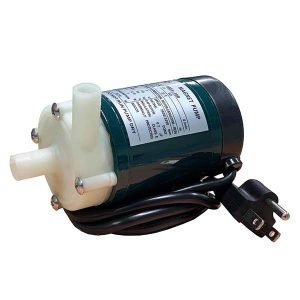
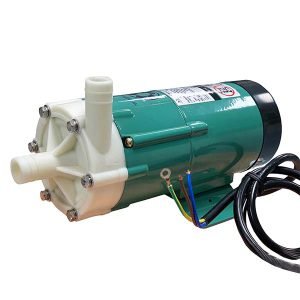
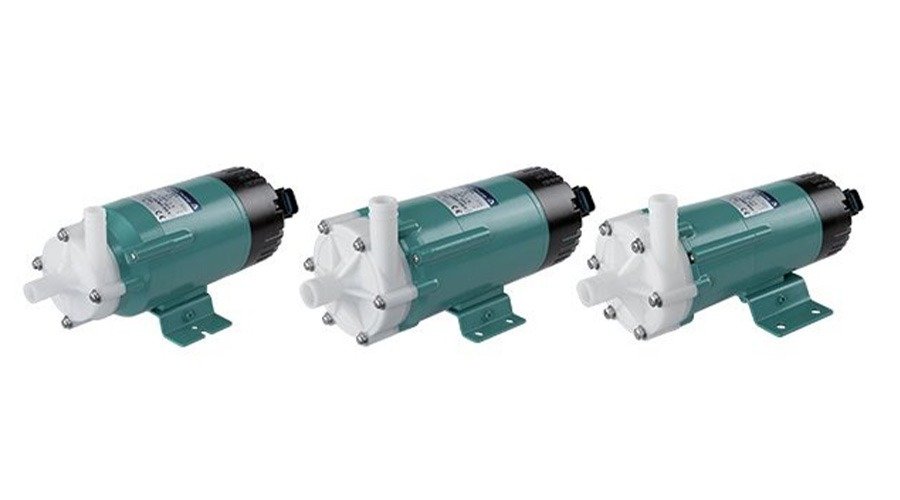
RP Pumps Online offers a wide range of high-quality chemical pump designed to handle corrosive and hazardous fluids with reliability. Explore our collection to find durable pumping solutions that ensure efficiency and safety in every application.
2. Corrosion – The Silent Destroyer
The issue:
Corrosion is a constant threat to chemical pumps because they frequently handle aggressive fluids such as acids and solvents. Over time, these fluids eat away at pump surfaces, causing pitting, thinning, or cracks that may not be visible until major damage has occurred. Corrosion not only reduces efficiency but also compromises pump safety and lifespan.
Prevention tips:
- Select pump materials (e.g., stainless steel, PTFE, special alloys) that resist the chemicals being handled.
- Apply protective coatings to vulnerable components where necessary.
- Conduct routine inspections for early signs of pitting, rust, or discoloration.
- Monitor fluid conditions (pH, concentration, temperature) that may accelerate corrosion.
- Replace or upgrade corroded parts before they cause complete failure.
Related article: For more information about Routine Maintenance Checklist for Water Pumps, click the link.
A pump is a device that moves fluids (liquids or gases), or sometimes slurries,[1] by mechanical action, typically converted from electrical energy into hydraulic or pneumatic energy.
https://en.wikipedia.org/wiki/Pump
3. Cavitation – The Enemy of Efficiency
The issue:
Cavitation occurs when vapor bubbles form inside the pump due to low suction pressure. When these bubbles collapse, they produce shockwaves that damage the impeller and internal surfaces. Signs include excessive noise, vibration, and reduced pumping efficiency. Left unchecked, cavitation can severely shorten pump life and lead to costly repairs.
Prevention tips:
- Ensure adequate Net Positive Suction Head (NPSH) by maintaining proper suction conditions.
- Keep suction lines clean and free of obstructions.
- Avoid excessive pipe bends or restrictions in suction piping.
- Operate pumps within their recommended speed and capacity range.
- Use impeller designs suited to reduce cavitation risk.
- Monitor suction tank levels to maintain consistent flow.
4. Motor Burnout – Overload & Electrical Failures
The issue:
The motor is just as important as the pump itself, but it often fails due to electrical imbalances, poor ventilation, or overload conditions. When motors overheat, their insulation and windings break down, eventually leading to burnout. In continuous-process industries, such failures can cause expensive downtime and production losses.
Prevention tips:
- Match motor size and power rating with pump requirements.
- Ensure motors have adequate cooling and ventilation.
- Keep air vents clean and free from dust buildup.
- Install overload protection and motor monitoring systems.
- Conduct regular electrical inspections of wiring, insulation, and connections.
- Avoid running motors under continuous overload conditions.
5. Bearing Failure – The Overlooked Problem
The issue:
Bearings may be small, but they play a big role in smooth shaft rotation. Failure often occurs due to poor lubrication, contamination, misalignment, or excessive vibration. When bearings fail, pumps become noisy, lose efficiency, and may eventually seize completely, damaging other critical components.
Prevention tips:
- Follow a strict lubrication schedule using the correct lubricant type.
- Avoid both over-lubrication and under-lubrication.
- Use high-quality bearings designed for chemical pump conditions.
- Conduct routine shaft alignment checks.
- Monitor vibration levels to detect early signs of bearing wear.
- Keep contaminants out with effective seals and filters.
Conclusion
Chemical pumps are the backbone of many industrial operations, and their continuous performance is critical for both productivity and safety. The most common failures—seal leaks, corrosion, cavitation, motor burnout, and bearing issues—may seem inevitable, but in reality, they can often be prevented with the right practices.
By adopting a proactive approach that includes choosing the right materials, monitoring operating conditions, and maintaining regular inspection schedules, industries can significantly extend pump life. Preventive maintenance is not just about saving on repair costs; it’s about ensuring reliable, safe, and efficient handling of hazardous fluids.
For businesses seeking dependable solutions, RP Pumps Online provides a wide range of chemical pumps, expert advice, and reliable after-sales support. Investing in the right pumps and preventive measures today can safeguard your operations and keep your systems running smoothly for years to come.
FAQs
What causes chemical pump seal failure?
Seal failure is usually caused by improper installation, dry running, chemical incompatibility, excessive vibration, or inadequate lubrication. Using seals made from the right materials and ensuring proper installation can significantly reduce seal leaks.
How can I prevent corrosion in chemical pumps?
The best way to prevent corrosion is to select pumps built with materials compatible with the fluid being pumped, such as stainless steel or PTFE. Regular inspections, protective coatings, and monitoring fluid conditions (like pH and temperature) also help reduce corrosion damage.
What are the signs of cavitation in a chemical pump?
Cavitation often presents as loud noises (similar to gravel inside the pump), excessive vibration, reduced efficiency, and visible impeller damage over time. Addressing suction conditions and maintaining proper Net Positive Suction Head (NPSH) are key ways to prevent cavitation.