

Booster Pumps: Improving Water Pressure in Buildings – How they work




Consistent and reliable water pressure is essential for the smooth operation of residential, commercial, and industrial buildings. Whether it’s a high-rise apartment complex or a large manufacturing facility, low water pressure can be more than an inconvenience—it can disrupt daily activities and impact productivity. This is where booster pumps come into play. Designed to enhance water pressure and maintain flow rates, these pumps are indispensable in modern plumbing systems. In this article, we’ll explore how booster pumps work, why they are critical in building systems, and how to choose the right one for your needs.
This article examines the following topics:
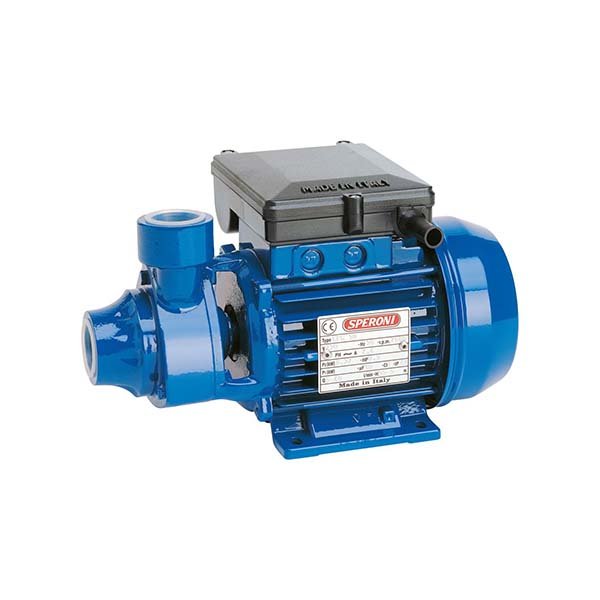
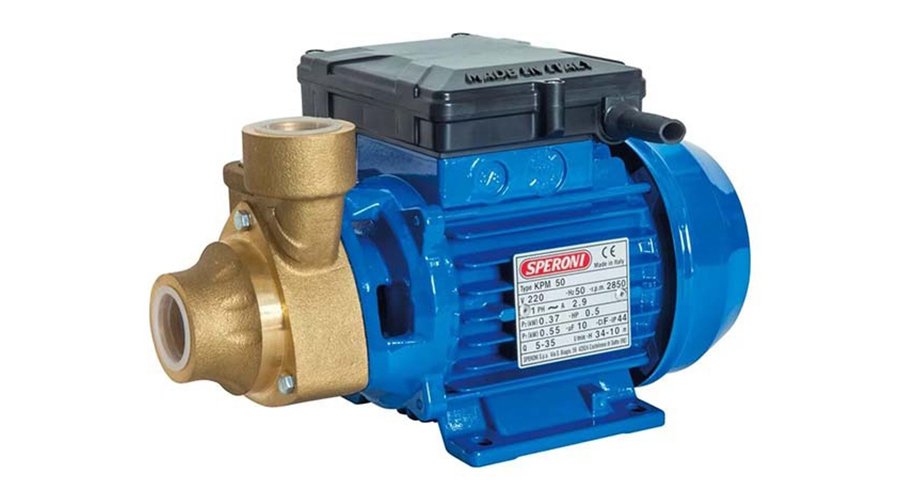
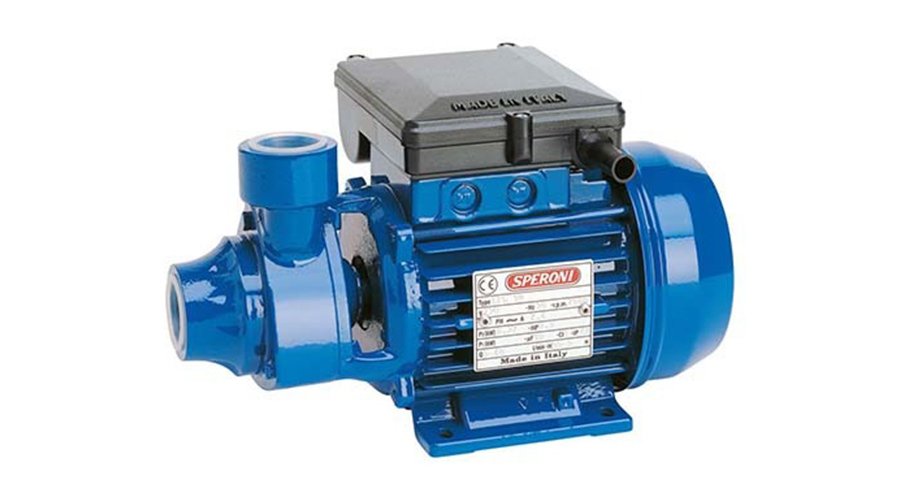
A booster pump is a mechanical device designed to increase the pressure of water in a plumbing system. It serves the critical role of maintaining sufficient water pressure in environments where the natural water supply falls short. These systems are commonly used in buildings that require more pressure than what is provided by the municipal water source.
The importance of booster pumps cannot be overstated. In high-rise buildings or structures with multiple floors, gravity alone can significantly reduce water pressure on upper levels. Booster pumps counteract this effect by delivering pressurized water to every floor, ensuring consistent supply regardless of height or distance from the source.
In commercial and industrial settings, booster pumps support complex systems that demand high flow rates and pressure stability. Whether it’s for HVAC systems, fire suppression, or manufacturing processes, a reliable booster pump ensures safety, efficiency, and regulatory compliance.
Discover top-quality Booster Pumps at RP Pumps Online, engineered for residential, commercial, and industrial water pressure solutions. Boost your building’s water performance with our reliable, energy-efficient systems tailored to your needs. Explore our Booster Pump collection now and find the perfect solution for consistent water pressure.
Low water pressure in buildings can be caused by a variety of factors. One of the most common is gravity, which naturally reduces water pressure on higher floors of multi-story buildings. The further water has to travel vertically, the more pressure it loses.
Another contributing factor is the distance from the municipal water supply. Buildings located at the end of a supply line or in hilly terrain often experience weaker water pressure due to the longer distance the water must travel. This issue is especially prevalent in suburban or rural areas.
Additional causes include old or corroded plumbing systems, partially closed shutoff valves, and clogged pipes. Over time, these issues can reduce the effectiveness of water delivery systems, making booster pumps a necessary upgrade to restore proper functionality.
Related article: For more information about Routine Maintenance Checklist for Water Pumps, click the link.
Booster pumps operate by increasing the pressure of the water flowing through a system. They do this using a motor that drives an impeller, which adds energy to the water and increases its velocity. This velocity is then converted into pressure, allowing the water to reach higher elevations or travel longer distances.
Most booster pump systems include a pressure sensor or switch that monitors water pressure in real-time. When the pressure drops below a preset level, the sensor triggers the pump to activate and boost the pressure. Once the desired pressure is restored, the system automatically shuts off to conserve energy.
These pumps can be configured as single-stage or multi-stage, depending on the application. Single-stage pumps are simpler and ideal for smaller residential systems, while multi-stage pumps provide higher pressure and are suited for large commercial or industrial buildings.
A booster pump is a machine which increases the pressure of a fluid. It may be used with liquids or gases, and the construction details vary depending on the fluid. A gas booster is similar to a gas compressor, but generally a simpler mechanism which often has only a single stage of compression, and is used to increase pressure of a gas already above ambient pressure. Two-stage boosters are also made.[1] Boosters may be used for increasing gas pressure, transferring high pressure gas, charging gas cylinders and scavenging.
https://en.wikipedia.org/wiki/Booster_pump
A standard booster pump system consists of several essential components that work together to ensure consistent water pressure. These include the pump itself, a motor, impellers, pressure sensors, and a control panel that manages system operations.
The pump is the heart of the system, responsible for moving the water through the plumbing. The motor powers the impellers, which spin to create the necessary pressure. Pressure sensors detect fluctuations in water pressure and relay that information to the control panel.
The control panel acts as the brain of the system, adjusting pump activity based on real-time data from the sensors. Some systems also include a pressure tank, which stores water under pressure to reduce the frequency of pump cycling and enhance system longevity.
Booster pumps come in various types, each tailored to specific building sizes and water pressure requirements. Residential booster pumps are generally compact, energy-efficient, and designed to serve single-family homes or small apartment buildings.
In contrast, commercial booster pumps are built for high-capacity performance. These systems are often multi-stage and capable of handling larger volumes of water. They are commonly used in office complexes, hospitals, schools, and hotels where water demand is significantly higher.
Some advanced systems also include variable frequency drives (VFDs) that adjust the pump’s speed based on demand, improving efficiency and reducing wear. Selecting the right type of booster pump depends on your building’s layout, number of occupants, and daily water usage patterns.
Modern booster pumps are designed with energy efficiency in mind. Traditional pumps run at a constant speed regardless of demand, often leading to unnecessary energy consumption. Today’s smart pumps use variable speed drives to adjust performance according to real-time needs.
This on-demand functionality not only saves energy but also reduces operating costs over time. Smart pumps are equipped with sensors and programmable controls that monitor water usage patterns and automatically adapt to provide optimal pressure without overworking the system.
In addition, many of these systems can be integrated with building management systems (BMS) for centralized control and monitoring. This allows facility managers to track performance, receive maintenance alerts, and optimize water usage from a single dashboard.
Proper installation of a booster pump system is crucial for its performance and longevity. Key considerations include selecting an appropriate location, ensuring adequate ventilation, and minimizing noise and vibration. Professional installation is recommended to ensure compliance with local building codes.
The system must be correctly sized to match the building’s water pressure needs. Undersized systems may not deliver sufficient pressure, while oversized systems can lead to energy waste and equipment wear. A site survey and pressure test are typically conducted to determine the best configuration.
Additionally, the installation should allow for easy access to components for maintenance and inspection. Isolation valves, check valves, and pressure gauges are often included to facilitate troubleshooting and enhance system reliability.
Regular maintenance is essential to keep your booster pump system operating efficiently. Scheduled inspections help identify early signs of wear, leaks, or component failure, allowing for timely repairs that prevent costly downtime.
Key maintenance tasks include checking and cleaning filters, inspecting seals and bearings, and testing pressure sensors and control panels. Lubrication of moving parts and tightening of electrical connections are also recommended at routine intervals.
It’s wise to maintain a service log and follow the manufacturer’s maintenance schedule. Engaging a professional service provider for periodic checks ensures that the system remains in top condition and complies with warranty requirements.
Over time, booster pump systems can become outdated or inefficient, especially if building demands have changed. One clear sign it’s time to upgrade is consistent low pressure despite maintenance efforts. Modern systems offer better performance and energy savings.
Strange noises, increased vibration, or frequent cycling are also indicators of wear or impending failure. In some cases, repairs may be more costly than replacing the unit with a new, more efficient model. Evaluating the total cost of ownership can help make this decision.
Upgrading to a smart, variable-speed pump can significantly improve water delivery and reduce operational costs. Newer systems also come with advanced diagnostics and remote monitoring features that enhance reliability and ease of use.
At RP Pumps, we specialize in providing high-performance booster pump systems for residential, commercial, and industrial applications. Our wide selection ensures that we have the right solution for any building size or configuration.
Our team of experts works closely with clients to assess water pressure needs, conduct site evaluations, and recommend customized solutions. We prioritize energy efficiency, durability, and ease of maintenance in every product we offer.
Whether you’re upgrading an existing system or installing a new one, RP Pumps provides end-to-end support—from consultation and installation to ongoing maintenance. Trust us to keep your building’s water flowing reliably and efficiently.
Booster pumps are a cornerstone of modern water management systems in buildings. They solve the problem of low water pressure by delivering consistent, reliable flow to every outlet. Whether for daily domestic use or critical commercial operations, these systems enhance comfort, convenience, and functionality.
Understanding how booster pumps work and what makes them effective allows building owners and managers to make informed choices. From selecting the right type to ensuring proper installation and maintenance, every step matters in achieving optimal performance.
RP Pumps is your trusted partner in finding and supporting the perfect booster pump solution. Explore our range of products and consult with our experts to experience the benefits of better water pressure today.
A booster pump is a device that increases water pressure in a plumbing system. It helps deliver consistent water flow to all parts of a building, especially those at higher elevations or located far from the water source.
You may need a booster pump if you’re experiencing low water pressure in your home or building, especially on upper floors, during peak usage hours, or in areas with long distances from the municipal water supply.
The correct size depends on factors like the number of floors, water demand, and distance from the main supply. RP Pumps offers site evaluations to help you determine the right size and system.