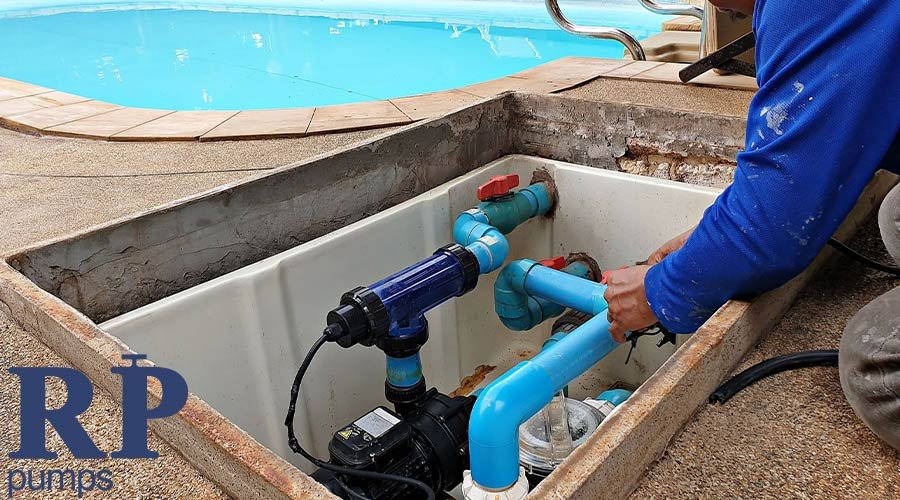
As temperatures drop and the swimming season comes to an end, one of the most important steps in pool care is winterizing your pool pump. Many pool owners overlook this crucial process, but failing to prepare your pump for the colder months can result in costly damage, reduced efficiency, and even a shortened lifespan for your equipment. Proper winterization not only protects the pump from freezing but also ensures that it’s ready to run smoothly once spring arrives.
By understanding why winterizing is essential and learning the correct steps, you can safeguard your investment while enjoying peace of mind throughout the off-season. In this guide, we’ll cover the reasons behind winterization and provide a step-by-step method to ensure your pump remains in top condition.
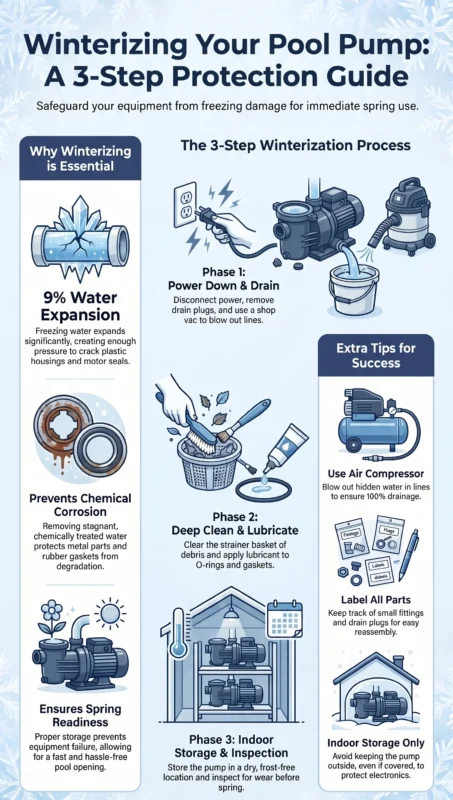
Winterizing your pool pump isn’t just about avoiding damage—it’s about preserving the long-term health of your entire pool system. When water freezes, it expands by about 9%. That may not sound like much, but inside the confined spaces of your pump and pipes, this expansion can create enough pressure to crack plastic housings, break seals, and even damage the motor housing.
Another key benefit of winterization is preventing corrosion. If water mixed with pool chemicals sits inside your pump during winter, it can corrode metal parts and degrade rubber seals. Corrosion weakens the pump’s structure and reduces its efficiency over time. By draining and cleaning the pump, you remove these risks.
Finally, proper winterization sets you up for success in the spring. Instead of dealing with repairs or delays, you’ll be able to reconnect your pump quickly, balance your water chemistry, and start enjoying your pool as soon as the weather warms up.
Keep your pool running smoothly year-round with high-quality pool pumps online from RP Pumps.
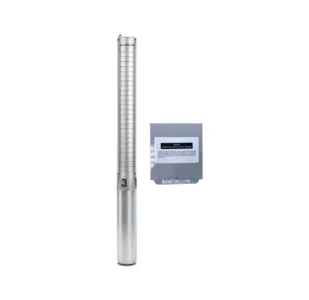
5 HP Submersible 3 Wire Motor 32 GPM Deep Well Water Pump - 230V - 1P - SS316 - 4" - 788ft Motor with Splice kit
$3,849.04
Step 1: Turn Off and Disconnect the Pump
The first and most important step in winterizing is ensuring safety. Before touching the pump, make sure all electrical connections are turned off. Locate the breaker or switch connected to your pump and shut it down completely. This prevents accidental shocks or motor engagement while you’re working.
Once the power is off, carefully disconnect the pump from your pool system. Start by removing hoses or unscrewing the unions that connect the pump to the pool plumbing. Doing this allows water to drain freely and reduces the risk of trapped moisture. Keep in mind that some pumps may be heavy, so you may need assistance when moving it. Taking time to disconnect the pump properly ensures a smooth transition to the next step.
Step 2: Drain All Remaining Water
Even a small amount of residual water can cause significant freeze damage. To completely drain the pump, locate the drain plugs, usually found at the base of the housing. Unscrew them and allow water to flow out naturally. Tilting the pump gently helps release hidden water pockets.
Don’t forget to drain connected components like your filter, heater, and pipes. Many pool owners make the mistake of only focusing on the pump, but freezing in other parts of the system can also cause expensive damage. Using a shop vacuum or air blower is a great way to push out remaining water from lines and fittings. A fully drained system is your best defense against freezing conditions.
Related article: For more information about types of pool pumps, click the link.
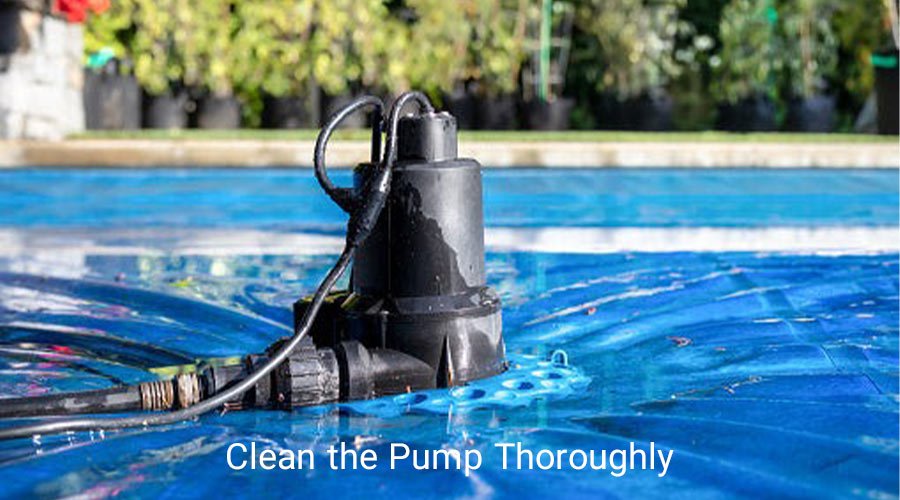
Winterization is also the perfect time for a deep clean. Start by removing the strainer basket inside the pump and clearing out leaves, dirt, or debris. Build-up left inside the pump over winter can harden, cause blockages, or promote bacterial growth.
Next, wipe down the interior and exterior of the pump with a soft cloth. Be sure to remove any traces of pool chemicals, as these can corrode metal parts and weaken seals. Some owners like to apply a light coat of lubricant to O-rings and gaskets to keep them supple during storage. A clean pump not only avoids corrosion but also performs more efficiently when brought back into service.
running pool pump in winter
Step 4: Store the Pump in a Safe Location
Once drained and cleaned, your pool pump is ready for storage. Choose a location that is dry, frost-free, and away from direct exposure to extreme temperatures. A garage, basement, or storage shed works well, provided it isn’t damp.
Covering the pump with a tarp or plastic bag adds an extra layer of protection against dust and moisture. Avoid leaving your pump outdoors, even if you use a protective cover. Prolonged exposure to cold, snow, or rain can damage delicate electrical components and seals. By keeping your pump indoors, you ensure that it remains in top condition until spring.
Step 5: Inspect and Maintain Before Reinstallation
When spring rolls around, don’t simply reinstall your pump and turn it on. Take a few minutes to inspect it carefully. Look for any signs of cracks, wear, or damage that may have occurred during storage. Check the condition of gaskets, O-rings, and seals, replacing them if necessary.
It’s also a good idea to lubricate moving parts and electrical connections before reinstalling. This step ensures smooth operation and reduces energy strain on the motor. Proactive maintenance before reinstallation will extend your pump’s lifespan and save you from unexpected breakdowns.
Extra Tips for Effective Winterization
Use a shop vac or air compressor: Blow out all lines to ensure no water remains in hidden areas.
Label parts during disassembly: Keep track of fittings, drain plugs, and small components for easy reassembly.
Check the pump housing: Inspect for hairline cracks or damage before storage.
Store indoors if possible: Exposure to outdoor freezing temperatures can still cause unseen damage.
Cover your entire pool system: If you are closing down your pool, invest in a durable cover to keep debris out of the water and system.
Conclusion
Winterizing your pool pump may seem like an extra chore, but it’s a simple process that pays off in the long run. By disconnecting power, draining water, cleaning thoroughly, storing in a safe place, and inspecting before reinstallation, you protect your pump from freezing damage and costly repairs. More importantly, you extend the life of your equipment and guarantee hassle-free pool opening in the spring.
At RP Pumps Online, we are committed to helping pool owners get the most out of their equipment. With high-quality pool pumps and expert guidance, we make it easy to keep your pool system running smoothly all year long. Proper winterization is just one of the many steps to safeguarding your investment—and with the right approach, your pump will serve you reliably for many seasons to come.
FAQs
Can I leave my pool pump outside during winter?
It’s not recommended. Even with a cover, outdoor storage exposes your pump to freezing temperatures and moisture, which can damage electrical components and shorten its lifespan. Storing it indoors in a dry, frost-free location is the safest option.
How do I make sure all the water is drained from my pump?
Open the drain plugs at the base of the pump and tilt it slightly to release hidden water. For extra precaution, use a shop vacuum or air compressor to blow out any remaining water from pipes and fittings.
Do I need to clean my pool pump before storing it?
Yes. Cleaning removes debris, dirt, and chemical residue that can cause corrosion or blockages over time. It also ensures your pump runs efficiently when you reinstall it in the spring.