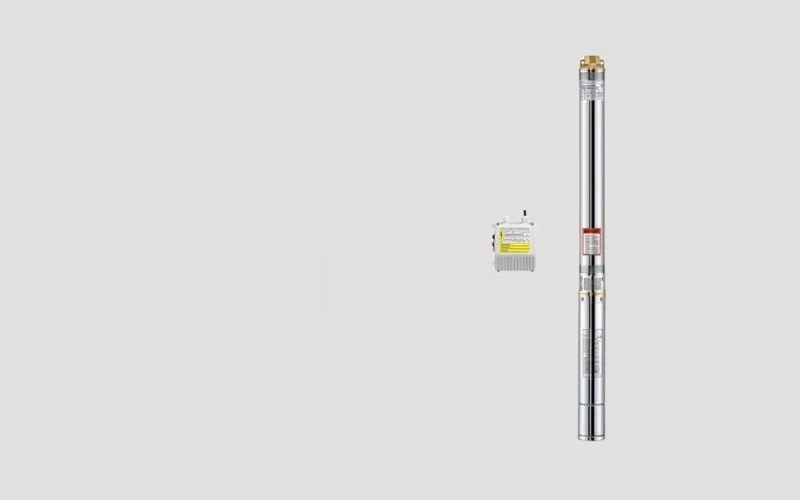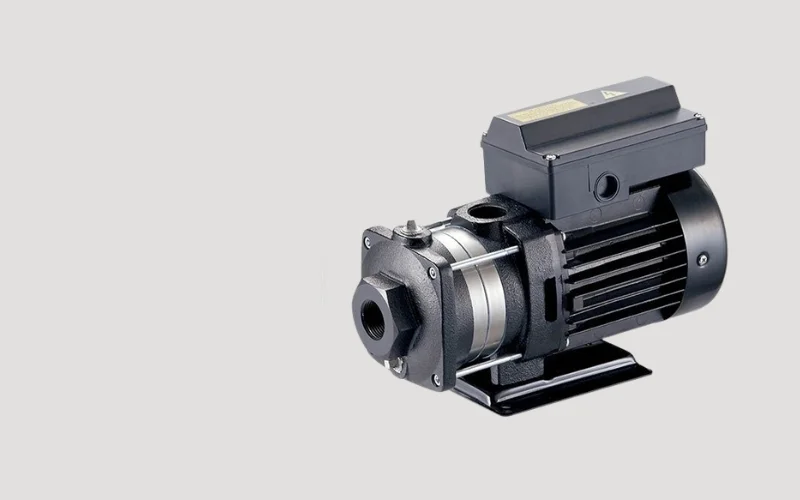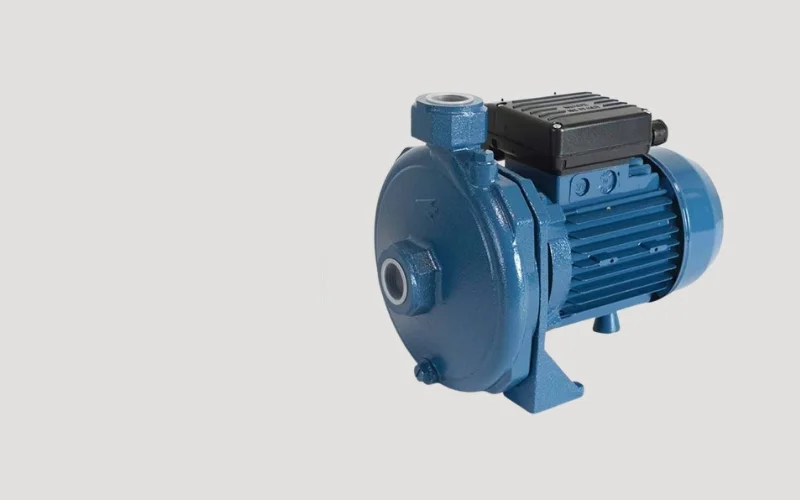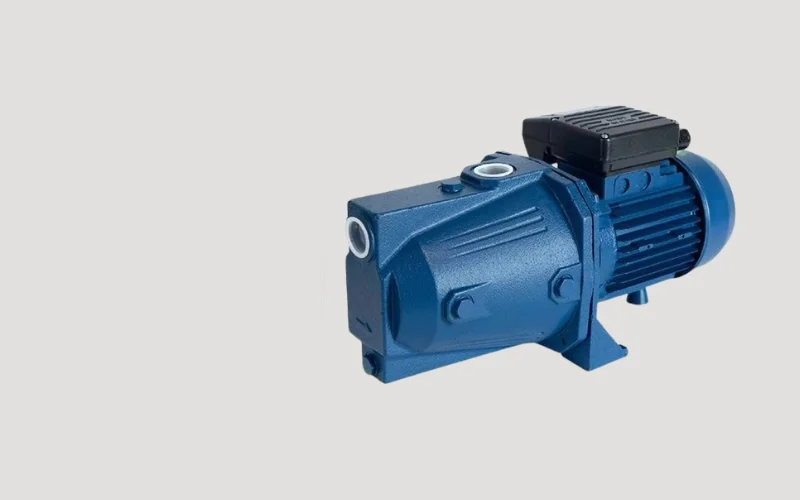

Swimming pool pump

How to Choose the Right Swimming Pool Pump for Your Pool

How to Choose the Right Swimming Pool Pump for Your Pool
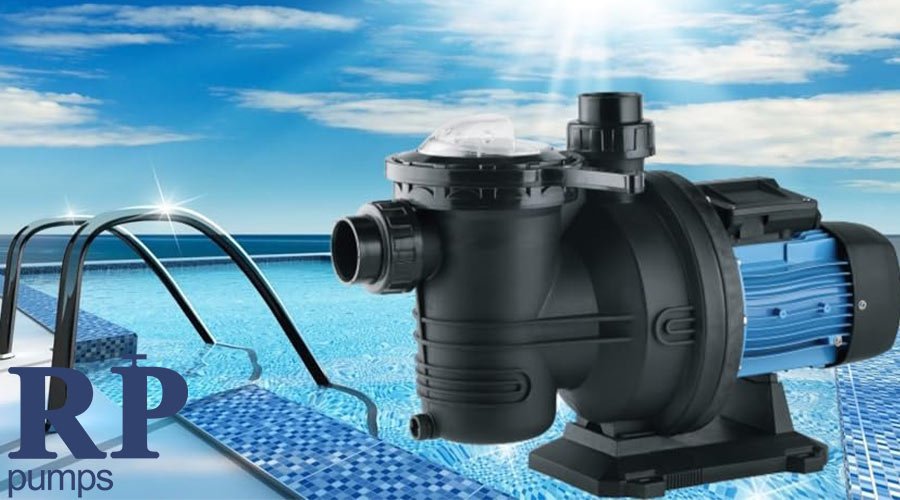
Your swimming pool pump is the heart of your pool’s circulation system—it keeps water clean, clear, and healthy by circulating it through the filtration and sanitation system. Choosing the right pump can make a huge difference in water quality, energy consumption, and maintenance costs. At RP Pumps Online, we’re here to help you make an informed decision based on your unique pool setup. Let’s explore the essential factors you need to consider when choosing the right pool pump.

This article examines the following topics:

1. Pool Size: Why Bigger Isn’t Always Better

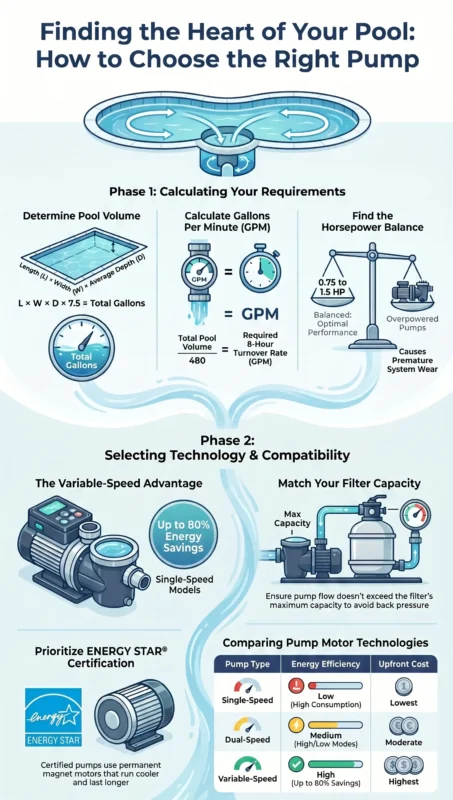
The size of your pool directly determines how powerful your pump needs to be. A small pump won’t be able to circulate water effectively, while an oversized one can create unnecessary pressure and increased energy costs. The key is to find a pump that can turn over all the water in your pool within an 8-hour period, ensuring proper filtration and sanitation.

To calculate the right pump size, first determine your pool’s volume in gallons. For rectangular pools, multiply length × width × average depth × 7.5. Once you have the volume, divide it by 8 (hours) and then by 60 (minutes) to get the gallons per minute (GPM) your pump needs to handle. Matching your pump’s GPM to your pool’s needs ensures optimal circulation and water clarity.

Keep in mind that other pool features—like waterfalls, spas, or fountains—may require additional flow. When in doubt, consult with a pool professional or use the sizing calculators available on RP Pumps Online to find the most suitable option for your pool size and setup.

How to choose a pool pump? At RP Pumps Online, we specialize in delivering high-performance, energy-efficient solutions for all your pool needs. Browse our wide selection of pool pumps online designed for durability, quiet operation, and maximum water clarity. Whether you’re upgrading or replacing, we have the perfect pump to keep your pool running at its best.

2.Types of pool pumps: Single-Speed vs. Variable-Speed

Pool pumps come in various types, and understanding the differences is essential to making a smart purchase. The three most common types are single-speed, dual-speed, and variable-speed pumps. Each offers different levels of efficiency, control, and energy consumption.

Single-speed pumps run at one constant speed and are usually the most affordable upfront. However, they consume the most electricity and are gradually being phased out in many regions due to updated energy regulations. Dual-speed pumps give you two options—high for tasks like vacuuming, and low for daily circulation—providing a balance of performance and energy savings.

Variable-speed pumps (VSPs), the most efficient option, allow full control over the motor speed. These pumps operate at lower speeds for routine filtration, reducing energy consumption by up to 80% compared to single-speed models. Though they come at a higher initial cost, the long-term savings in electricity and rebates make them the top recommendation from RP Pumps Online.

Related article: For more information about portable water pump for camping, click the link.

3. Horsepower: Find the Right Balance

Horsepower (HP) is a key performance indicator of how much water your pump can move, but more HP doesn’t always mean better performance. Overpowered pumps can lead to short filter cycles, high utility bills, and premature wear on system components. Underpowered pumps, on the other hand, can struggle to circulate water effectively, leading to poor filtration and cloudy water.

The ideal horsepower depends on your pool’s plumbing system, total dynamic head (TDH), and added water features like spas or solar heaters. In most residential pools, pumps between 0.75 HP and 1.5 HP are sufficient. More complex setups may require higher HP, but it should always be matched with compatible filter systems and piping size to avoid inefficiency.

At RP Pumps Online, we provide detailed product descriptions and horsepower guidelines to help customers select the right-sized pump. Our team also offers personalized assistance if you’re unsure, ensuring you never over- or under-power your pool system.

How to Choose the Right Swimming Pool Pump for Your Pool
what horspower pump for my pool? what pool pump do i need? what size variable speed pool pump do i need?

4. Energy Efficiency: Save Money Long-Term

Energy efficiency is a critical factor for pool owners looking to lower their electric bills and environmental impact. Modern pool pumps, especially variable-speed models, are designed with energy-saving technologies that drastically cut down consumption without compromising performance. Choosing an energy-efficient pump can result in hundreds of dollars in savings annually.

Look for pumps with the ENERGY STAR® certification or those built with permanent magnet motors, the same high-efficiency motors used in electric vehicles. These motors reduce resistance and run cooler, leading to longer life spans and fewer maintenance issues. Some models even come with built-in timers and smart controls to optimize runtime and speed.

Additionally, many utility providers offer rebates for installing energy-efficient pool equipment. By purchasing a qualified pump through RP Pumps Online, you may be eligible for these incentives, further reducing your investment cost. Our online store highlights these models and provides information on how to apply for rebates in your area.

5. Compatibility with Pool Equipment

A commonly overlooked factor when selecting a pool pump is equipment compatibility. Your pump doesn’t operate in isolation—it works hand in hand with your filter, heater, chlorinator, and plumbing. Mismatched systems can lead to poor performance, equipment failure, or even voided warranties.

The flow rate produced by your pump must be compatible with your filter’s maximum flow capacity. For example, if your pump pushes water faster than your filter can handle, it can cause back pressure, reduce filtration effectiveness, and shorten the life of your filter. Similarly, if you’re using a solar heater or a saltwater chlorinator, your pump’s specifications must support the additional load and required pressure levels.

6. Budget and Long-Term Cost

While it’s tempting to go for the cheapest pool pump available, it’s important to consider the total cost of ownership rather than just the upfront price. Cheaper pumps may save you money today, but they can cost much more in electricity bills, maintenance, and repairs over time.

Variable-speed pumps, while more expensive at the point of purchase, are known for dramatically reducing energy costs and often pay for themselves in as little as 1–2 years. Additionally, many come with extended warranties and more durable components, offering long-term reliability and fewer service issues. When calculating your budget, include ongoing costs such as electricity, replacement parts, and labor for installation.

Conclusion

The right swimming pool pump is a long-term investment in your pool’s health, your utility bills, and your peace of mind. By carefully evaluating your pool size, understanding pump types, selecting the appropriate horsepower, and prioritizing energy efficiency, you’ll be well on your way to maintaining a clean and cost-effective pool.

Shop with confidence at RP Pumps Online, where quality, performance, and customer satisfaction come first. Whether you’re a first-time pool owner or a seasoned expert, we have the tools and guidance you need to keep your pool running flawlessly all year long.

FAQs

Is a variable-speed pump worth the investment?

Yes, variable-speed pumps are highly energy-efficient and can save up to 80% on electricity costs compared to single-speed pumps. Although they cost more upfront, they typically pay for themselves within 1–2 years through energy savings. They also tend to run quieter, last longer, and may qualify for rebates through utility providers.

The right pump size depends on your pool’s volume and turnover rate. To calculate it, find your pool’s volume in gallons (length × width × average depth × 7.5 for rectangular pools), then choose a pump that can circulate all that water in about 8 hours. Divide the total gallons by 480 (minutes in 8 hours) to get the required gallons per minute (GPM). Always ensure your pump is compatible with your filter and plumbing system.

GPM (gallons per minute) refers to the flow rate—how much water the pump moves. Horsepower (HP) refers to the motor’s strength. While related, they are not the same. A higher HP pump can potentially deliver more GPM, but if your plumbing and filter can’t handle the increased flow, it will cause problems. It’s crucial to match both to your system’s requirements.

Leave a Reply

Your email address will not be published. Required fields are marked *