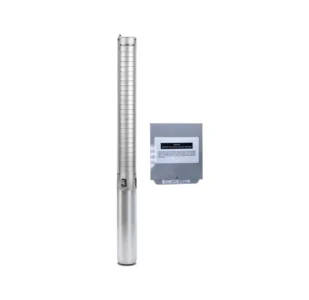
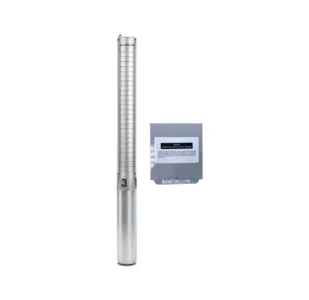
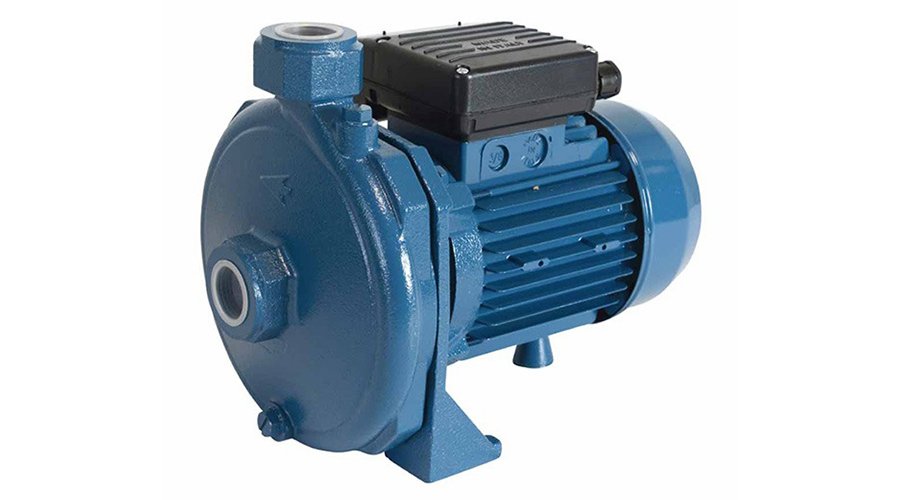
water pumps

The Role of Water Pumps in Firefighting Systems – High-pressure applications

Firefighting systems rely heavily on efficient water pumps to ensure rapid response and effective fire suppression. Among the various types of pumps used, High-Pressure Rotary

Firefighting systems rely heavily on efficient water pumps to ensure rapid response and effective fire suppression. Among the various types of pumps used, High-Pressure Rotary Pumps (RP Pumps) play a crucial role in delivering the necessary force to combat intense fires. These pumps are designed to handle extreme pressure requirements, making them ideal for industrial, commercial, and municipal firefighting applications. In this article, we explore the critical role of water pumps in firefighting systems, with a focus on high-pressure RP pumps, their benefits, and their applications.

This article examines the following topics:

The Critical Role of High-Pressure Pumps in Firefighting

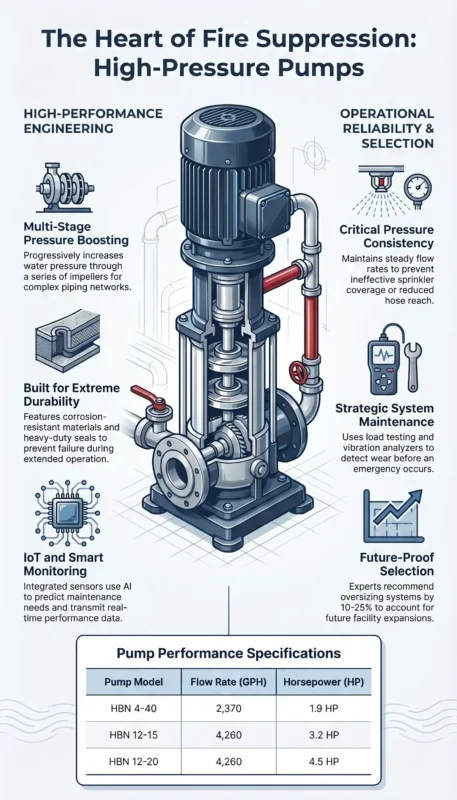
Fire suppression systems rely on powerful pumps to deliver water at extreme pressures, especially in large-scale emergencies. These units are engineered to maintain consistent flow rates, ensuring sprinklers, hydrants, and foam systems operate effectively even in demanding environments.

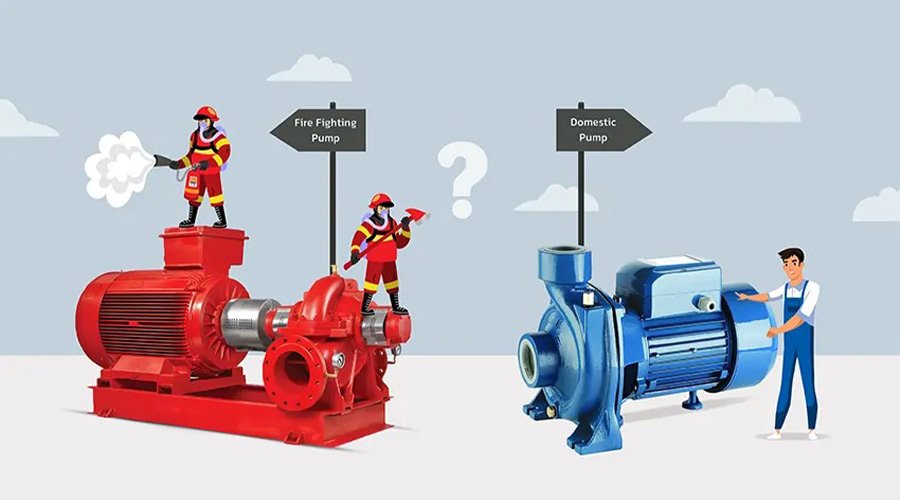
Unlike standard water pumps, firefighting models are built for rapid response and durability. They must withstand prolonged operation without failure, making them indispensable in industrial plants, high-rises, and municipal fire brigades. Their ability to generate and sustain high pressure directly impacts how quickly flames can be controlled.

RP Pumps Online makes it easy to buy water pumps online with a wide selection of high-quality and reliable pump solutions. Trusted by professionals and homeowners, we ensure fast delivery and excellent customer support.

How Multi-Stage Pump Designs Enhance Fire Suppression

Multi-stage pumps excel in fire protection by progressively increasing water pressure through a series of impellers. This design allows them to outperform single-stage alternatives, particularly in tall buildings or facilities with complex piping networks.

The staged compression system ensures steady pressure even when demand fluctuates, preventing performance drops during critical moments. Additionally, their compact footprint makes them ideal for space-constrained installations while still delivering exceptional power.

The pumping of water is a basic and practical technique, far more practical than scooping it up with one's hands or lifting it in a hand-held bucket. This is true whether the water is drawn from a fresh source, moved to a needed location, purified, or used for irrigation, washing, or sewage treatment, or for evacuating water from an undesirable location. Regardless of the outcome, the energy required to pump water is an extremely demanding component of water consumption. All other processes depend or benefit either from water descending from a higher elevation or some pressurized plumbing system.

Key Features That Define Superior Firefighting Pumps

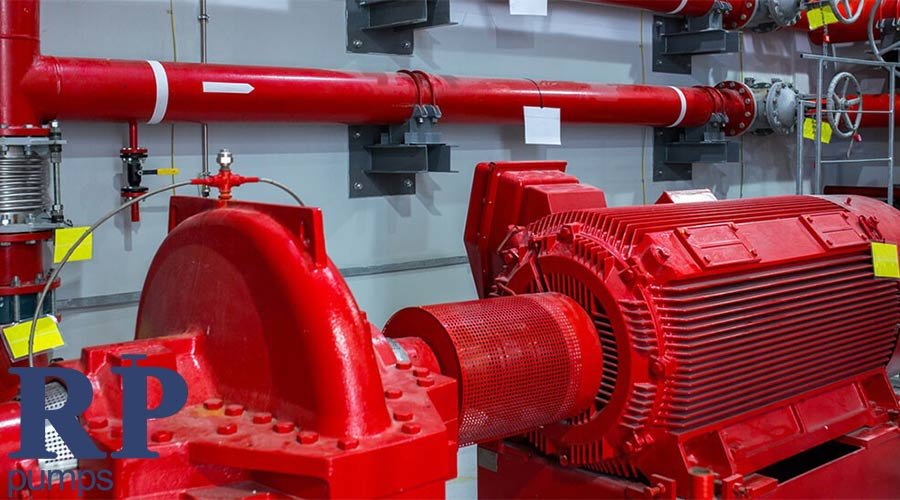
Top-tier fire pumps incorporate corrosion-resistant materials, heavy-duty seals, and advanced cooling mechanisms. These features prevent breakdowns during extended operation—a necessity when battling stubborn blazes.

Many modern systems now include smart sensors for real-time performance monitoring. This technology alerts operators to maintenance needs before failures occur, ensuring reliability when every second counts.

Related article: For more information about what does a booster pump do, click the link.

Why Pressure Consistency Matters in Emergency Scenarios

Firefighting success hinges on maintaining optimal water pressure throughout an incident. Pressure drops can render sprinklers ineffective or reduce hose stream reach, compromising containment efforts.

Advanced pump systems use automatic controls to adjust output based on demand. This adaptability is crucial in dynamic fire scenarios where water requirements change rapidly, such as when multiple suppression zones activate simultaneously.

Water Pumps in Firefighting Systems

Industrial Facilities

Chemical plants, refineries, and power stations require pumps capable of handling specialized suppressants like foam or water mist. These environments often need higher pressures and explosion-proof designs to address flammable material risks.

Custom configurations, such as diesel-electric hybrids, ensure uninterrupted operation during power outages. Such reliability is non-negotiable when protecting high-value assets and worker safety.

Maintenance Strategies to Ensure Peak Performance

Routine testing under load conditions verifies pressure and flow rates meet specifications. Bearing inspections and seal replacements should follow strict schedules to prevent unexpected failures.

Predictive maintenance tools—like vibration analyzers—detect wear early, allowing repairs before emergencies arise. Well-documented service histories also help facilities comply with insurance and regulatory standards.

Innovations Shaping the Future of Fire Pump Technology

IoT-enabled pumps now transmit performance data to centralized dashboards, enabling remote diagnostics. Some models use AI to predict maintenance needs, slashing downtime risks.

Material advancements, such as ceramic-coated components, extend lifespan in corrosive environments. These innovations are making systems smarter, tougher, and more energy-efficient.

Water Pumps

What Works Best for Fire Protection?

While centrifugal pumps suit basic needs, multi-stage models dominate high-pressure applications. Their ability to sustain performance under variable loads makes them preferred for critical infrastructure.

Jockey pumps are often paired with main units to maintain system pressure between activations, reducing wear on primary systems. The right combination depends on facility size and risk factors.

Selecting the Ideal Pump for Your Facility’s Needs

Consult hydraulic calculations to determine required flow rates and pressure, accounting for pipe friction and elevation changes. Oversizing by 10-25% future-proofs the system for expansion. Consider space constraints, power sources, and maintenance access when choosing between horizontal or vertical designs. Partnering with fire protection engineers ensures optimal system integration.

Conclusion

From skyscrapers to industrial complexes, high-pressure pumps form the backbone of effective fire suppression. Understanding their technology, maintenance, and selection criteria empowers facilities to enhance safety while meeting compliance standards. As innovations continue to emerge, these systems will grow even more reliable—proving that in firefighting, performance truly flows from the pump up.

FAQs

What types of pumps are used in firefighting systems?

Fire protection systems primarily use centrifugal pumps, multistage pumps, and vertical turbine pumps. High-pressure applications often rely on multistage ring-section pumps for their ability to generate extreme pressures (up to 300+ PSI) while maintaining steady flow rates.

High pressure ensures water can reach upper floors of tall buildings, penetrate dense smoke, and operate multiple sprinklers/hoses simultaneously. Without sufficient pressure, fire suppression systems become ineffective, increasing damage and risk.

Fire pumps are built for durability, rapid response, and continuous operation under extreme conditions. They feature heavy-duty materials (stainless steel, cast iron), corrosion-resistant coatings, and emergency power backups (diesel or electric) to ensure reliability during crises.

Leave a Reply

Your email address will not be published. Required fields are marked *