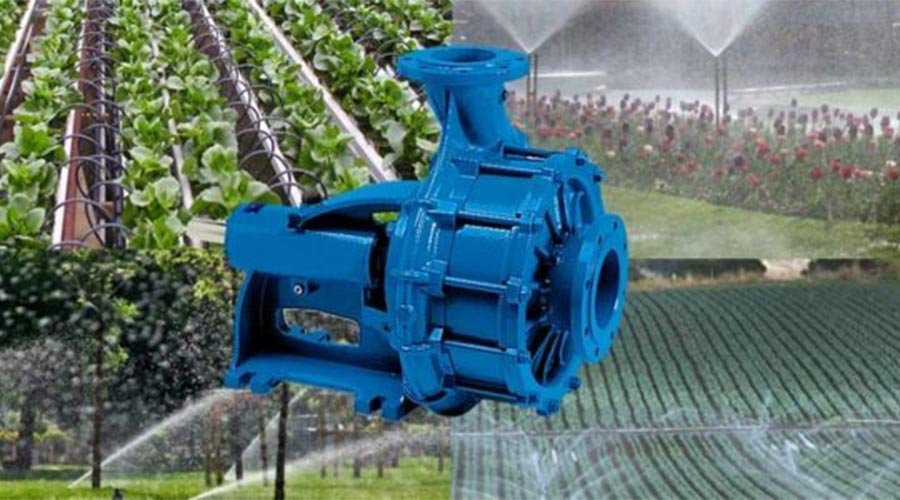
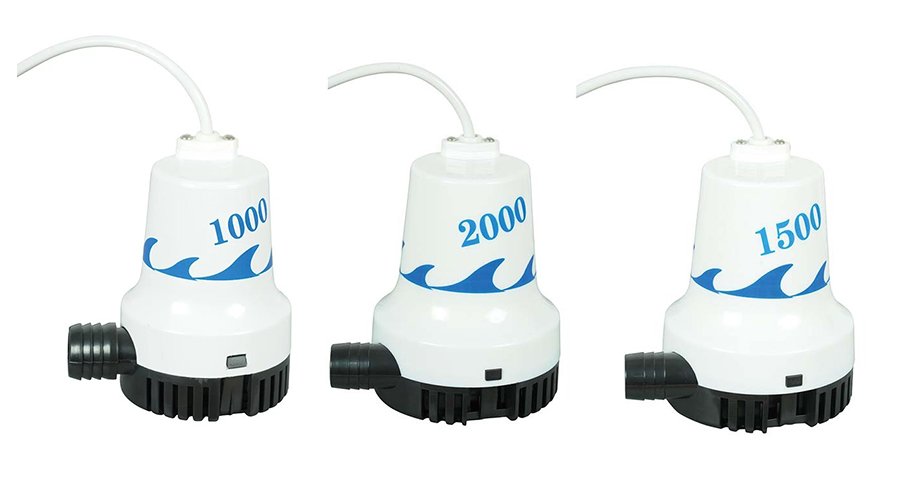
Water is the backbone of agriculture, and effective water management is critical for maximizing crop yield and livestock health. Whether it’s ensuring fields are properly irrigated or livestock have consistent access to clean water, water pumps are essential tools in modern farming. At RP Pumps, we understand the vital role that high-quality pumping solutions play in agricultural success. In this article, we explore how water pumps contribute to efficient irrigation systems and livestock watering practices across farms of all sizes.
Sustainability is becoming increasingly important in agriculture, with water management at its core. Water pumps enable farmers to utilize water more efficiently, reducing waste and preserving valuable water resources. Through controlled irrigation systems, pumps help ensure that water reaches crops and livestock exactly when needed.
In regions where rainfall is unpredictable or scarce, water pumps serve as lifelines. They draw water from wells, rivers, or reservoirs and transport it efficiently across large farming areas. This reduces dependency on inconsistent natural sources and supports year-round productivity.
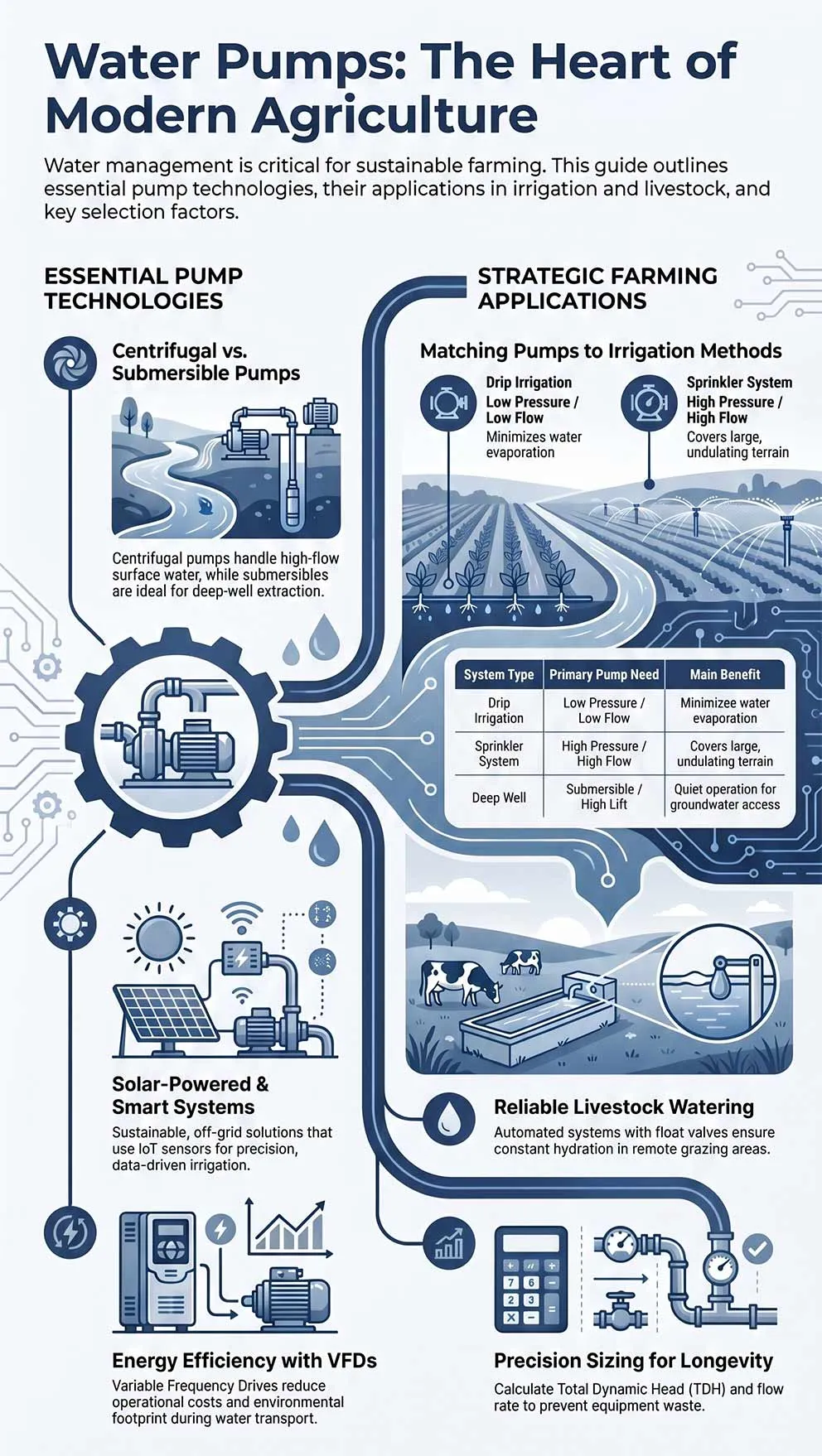
Moreover, modern water pumps are designed with energy efficiency in mind. By integrating renewable energy sources like solar power or using variable frequency drives (VFDs), farmers can reduce their environmental footprint while lowering operational costs.
RP Pumps Online makes it easy to buy water pumps online with a wide selection of high-quality and reliable pump solutions. Trusted by professionals and homeowners, we ensure fast delivery and excellent customer support.
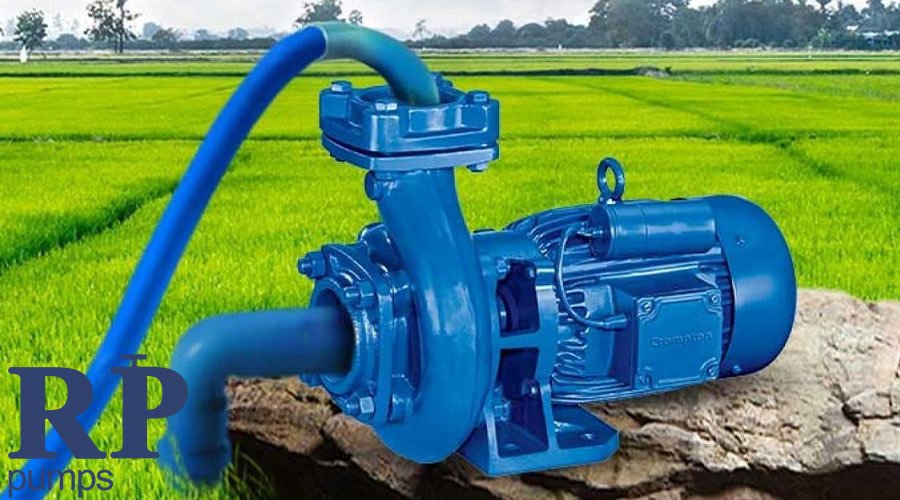
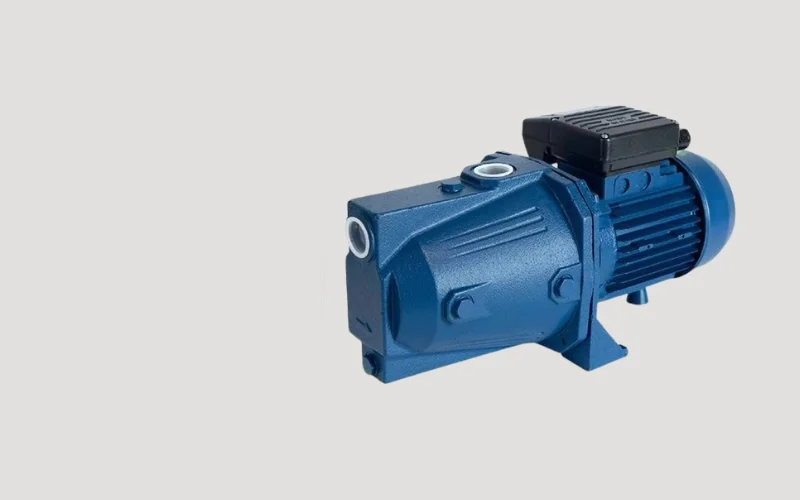
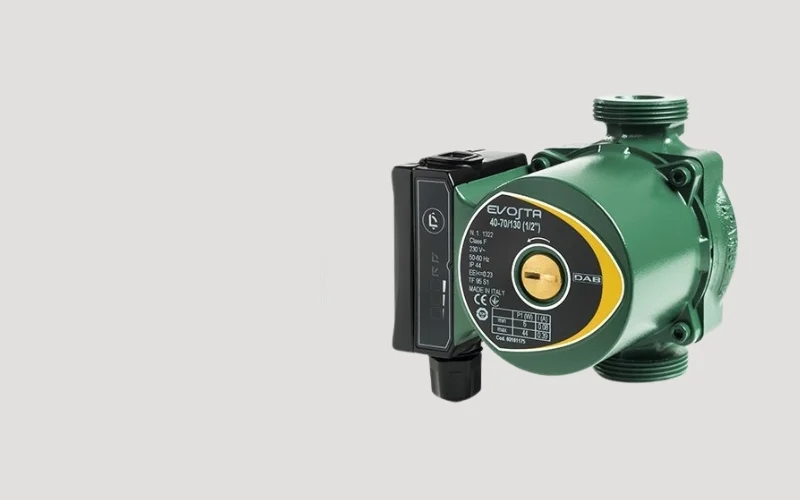
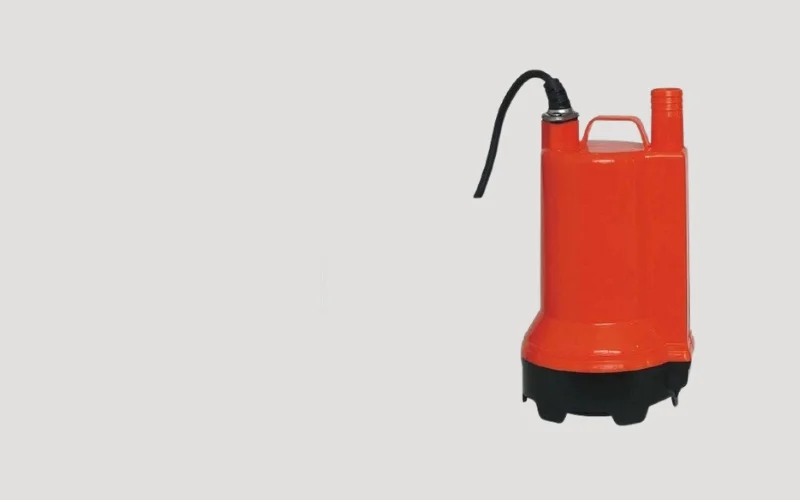
There are various types of water pumps used in agriculture, each suited to specific tasks and environmental conditions. The most common are centrifugal pumps, submersible pumps, turbine pumps, and booster pumps. Understanding the differences is key to selecting the most effective solution.
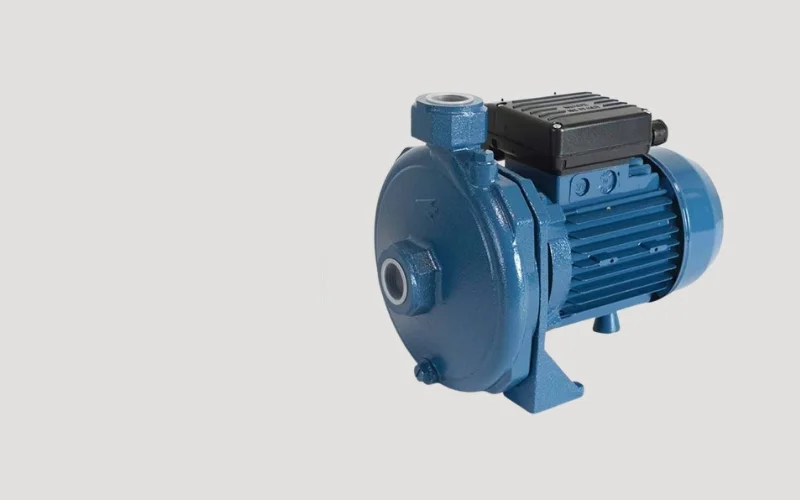
Centrifugal pumps are widely used for surface water irrigation due to their high flow capacity and ease of maintenance. Submersible pumps, on the other hand, are ideal for deep wells and underground sources where water needs to be pushed upward with significant force.
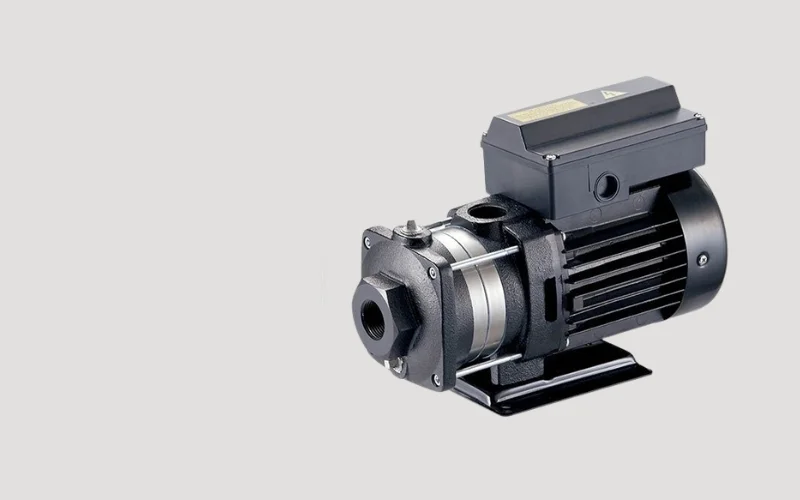
Turbine and booster pumps are great for high-pressure systems and large-scale operations. They can handle long-distance water transport and are often used in conjunction with advanced irrigation technologies. Each pump type plays a crucial role in maintaining a reliable and efficient water supply for agricultural applications.
Irrigation pumps have revolutionized how farmers manage water in crop production. They allow consistent and controlled watering of crops, even in regions with poor rainfall or irregular weather patterns. A reliable irrigation pump is essential for improving crop quality and increasing yields.
Different crops have varying water requirements, and pumps enable farmers to tailor their irrigation schedules accordingly. Whether it’s a drip system for vineyards or sprinklers for vegetable fields, pumps ensure that water is delivered uniformly and at the correct pressure.
Investing in a high-quality irrigation pump also reduces labor and saves time. Automated systems can be set to run at specific intervals, allowing farmers to focus on other aspects of farm management. This automation is especially beneficial for large-scale farms where manual irrigation would be too labor-intensive.
Related article: For more information about greenhouse pump, click the link.
water pump farming
This article lists different types of pump and provides a comparison of certain key design features. Different types of pumps are suitable for different applications, for example: a pump's maximum lift height also determines the applications it can be used for. Low-lift pumps are only suitable for the pumping of surface water (e.g., irrigation, drainage of lands, ...), while high-lift pumps allow deep water pumping (e.g., potable water pumping from wells).
Drip vs. Sprinkler Systems
Drip irrigation systems deliver water directly to the plant root zone, using minimal water and reducing evaporation. These systems typically require low pressure and benefit from pumps that provide consistent, low-flow output. Submersible or booster pumps are often ideal for this application.
Sprinkler systems, in contrast, spray water over a wide area and require pumps that can deliver higher pressure and flow rates. Centrifugal or turbine pumps are better suited for this type of system, especially when covering large fields or undulating terrain.
Choosing the right pump for your irrigation system ensures optimal performance and longevity. It’s crucial to consider the total dynamic head (TDH), flow rate, and energy efficiency when selecting a pump. A mismatch can result in inadequate irrigation, wasted energy, or system failure.
agriculture water pumps | water pump in agriculture | pump sets used in agriculture | agricultural water pumps | best agriculture pump
Submersible Pumps for Deep Well Irrigation
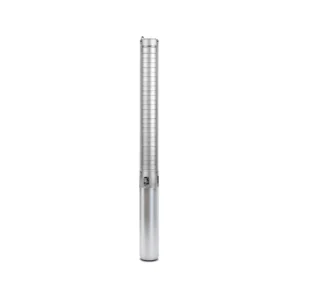
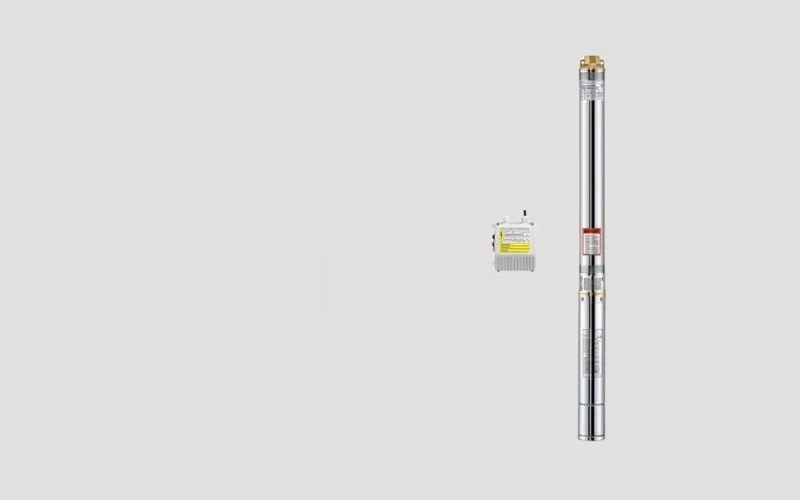
Submersible pumps are designed to operate while fully submerged in water, making them perfect for deep well applications. These pumps are built to withstand harsh environments and deliver high-pressure water to the surface efficiently.
For farms that rely on groundwater or have deep wells as their primary water source, submersible pumps provide a reliable solution. They are often used in combination with pressure tanks and irrigation timers to create fully automated watering systems.
Another advantage of submersible pumps is their quiet operation and space-saving design. Since the motor and pump are located underwater, there is minimal noise, and no need for extensive surface-level infrastructure. This makes them a preferred choice for many modern agricultural operations.
Livestock Watering Solutions with Reliable Pumping
Providing clean, fresh water to livestock is vital for their health and productivity. Water pumps ensure a continuous and reliable supply, whether the source is a pond, river, or underground well. Efficient water systems also reduce the need for manual labor and improve animal welfare.
Gravity-fed systems are common in hilly terrain, but for most farms, pumps are needed to transport water to troughs, storage tanks, or remote grazing areas. Submersible and jet pumps are commonly used for this purpose, offering consistent flow and pressure.
Automated watering systems controlled by float valves or sensors further enhance efficiency. These systems ensure that water is always available without overflows or shortages, creating a stable environment for livestock and improving feed-to-weight conversion ratios.
Solar-Powered Pumps for Remote Farms
Solar-powered water pumps are an increasingly popular solution for remote or off-grid farms. They harness the sun’s energy to power irrigation and watering systems without relying on electricity or fuel. This makes them both eco-friendly and cost-effective.
These pumps are ideal for regions with high solar exposure and limited infrastructure. They can be installed with solar panels, batteries, and smart controllers, creating an autonomous system that requires minimal maintenance and oversight.
In addition to reducing operating costs, solar-powered pumps help lower carbon emissions and promote sustainable farming practices. As technology advances and solar systems become more affordable, more farmers are turning to solar pumps to future-proof their operations.
pumpset in agriculture | water pump agriculture | water pump used in agriculture | water pumps for farms | irrigation pumps for farms | best water pump for farming |
Smart Pumping Systems for Precision Agriculture
Precision agriculture focuses on using technology to optimize farm inputs like water and fertilizer. Smart pumping systems integrate with sensors, automation software, and remote controls to deliver precise amounts of water based on soil moisture, weather conditions, and crop type.
These systems help prevent overwatering or underwatering, which can affect crop health and yield. Smart pumps can be scheduled, monitored, and adjusted from a smartphone or computer, giving farmers real-time control over their irrigation practices.
In addition to improving efficiency, smart pumps contribute to data collection and analysis. Over time, this data helps farmers make informed decisions that enhance sustainability and profitability. The integration of IoT (Internet of Things) in pumps is a major leap forward in agricultural technology.
Choosing the Right Pump Size for Your Farm
Selecting the correct pump size is crucial for ensuring efficiency and longevity. An undersized pump may fail to meet water demands, while an oversized pump could waste energy and increase wear and tear. Factors such as acreage, crop water needs, and elevation changes must be considered.
Calculating the total dynamic head (TDH) and desired flow rate is essential. These values help determine the horsepower, pressure rating, and capacity required. Consulting with an expert or using an online pump calculator can help guide the selection process.
At RP Pumps, we offer tailored consultation to help farmers choose the best pump based on their unique needs. By investing in the right equipment upfront, you reduce the risk of failure, optimize resource use, and ensure your farming operation runs smoothly year-round.
Conclusion
Water pumps are indispensable tools in the world of agriculture. They ensure consistent irrigation, support livestock hydration, and promote efficient water management across farms of all sizes. With the right pump system, farmers can boost productivity, conserve resources, and achieve sustainable growth.
Whether you’re looking to upgrade your current irrigation system or set up a reliable livestock watering solution, RP Pumps offers a wide range of durable and energy-efficient products to meet your needs. Backed by expert support and years of industry experience, we’re here to help you every step of the way. Explore our full range of agricultural pumps today and take a confident step toward smarter, more efficient farming.
FAQs
What type of water pump is best for agricultural irrigation?
The best type of water pump for irrigation depends on the system and water source. For surface irrigation or sprinkler systems, centrifugal pumps are commonly used due to their high flow capacity. For deep wells, submersible pumps are ideal as they operate efficiently underwater. Turbine pumps are recommended for high-pressure, large-scale irrigation projects.
Can I use the same pump for both irrigation and livestock watering?
While it’s possible to use one pump for both purposes, it’s not always practical. Irrigation often requires higher flow and pressure, whereas livestock watering demands steady, lower-pressure output. If your farm is small or has an integrated water system, a multi-purpose booster or submersible pump with a pressure controller may work. For larger operations, using dedicated pumps for each application is more efficient and reliable.
How do I calculate the right size pump for my farm?
To size a pump correctly, you’ll need to calculate your required flow rate (in gallons per minute or liters per second) and total dynamic head (TDH)—which includes elevation, pipe friction, and system pressure. These figures depend on your field size, crop type, irrigation method, and water source depth. RP Pumps can help you with a free pump sizing consultation to ensure you get the perfect match.