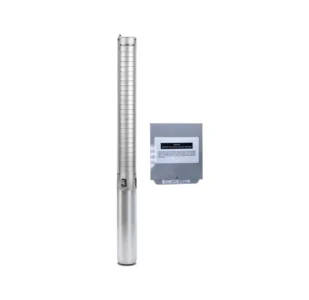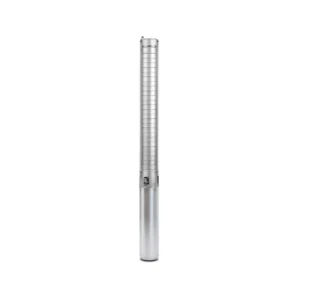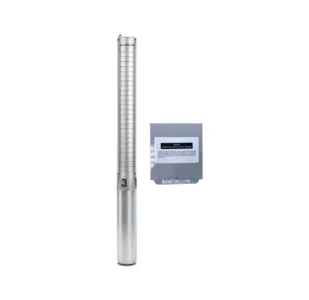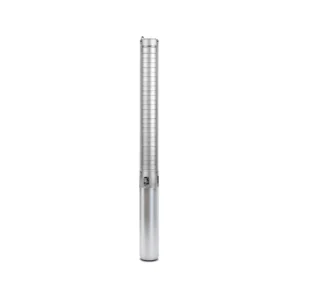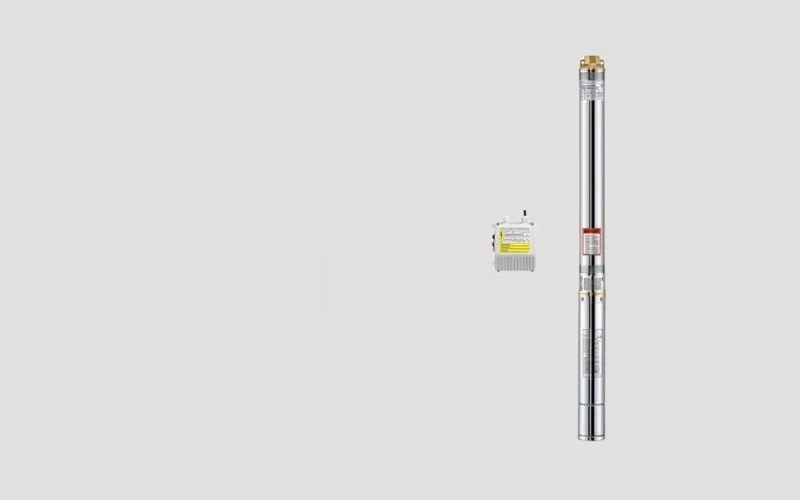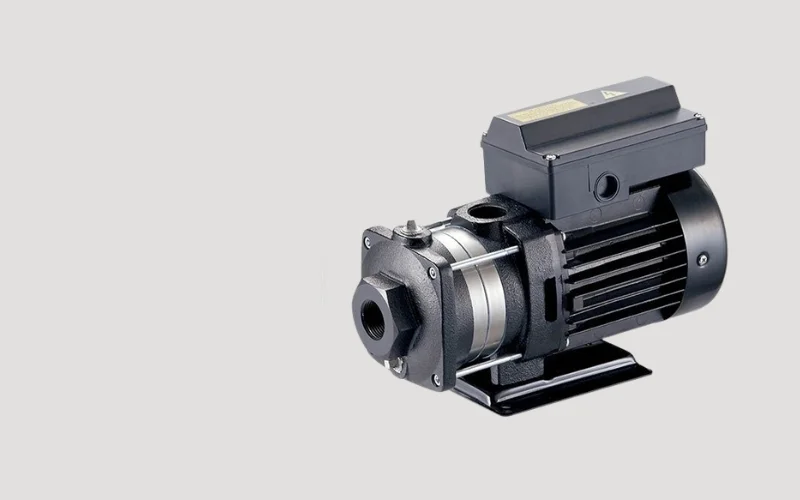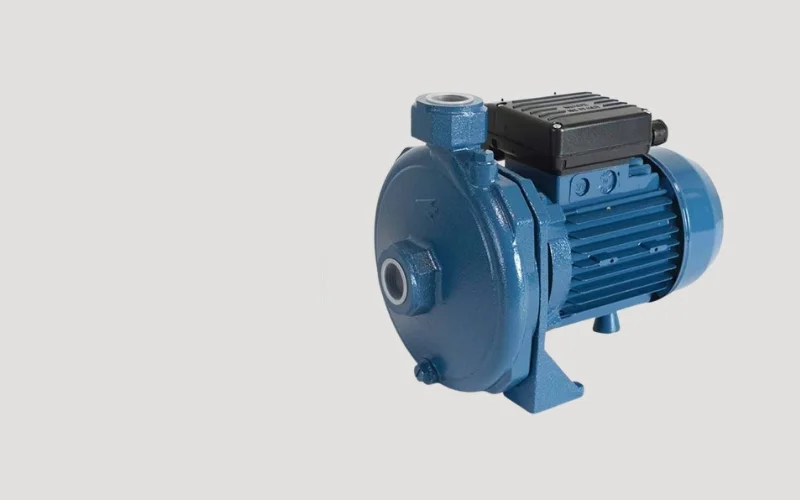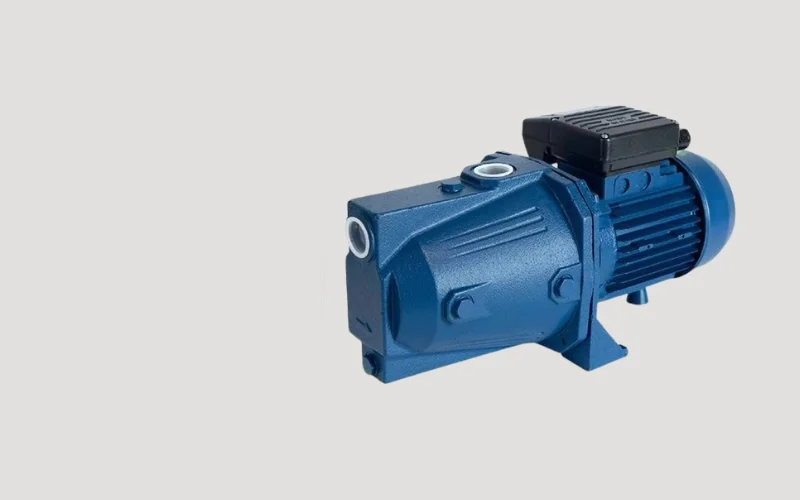
water pumps

Routine Maintenance Checklist for Water Pumps – Extending lifespan

Water Pumps

Water pumps are critical components in a wide range of applications—from agricultural irrigation to industrial systems and home plumbing. At RP Pumps, we understand that the longevity and efficiency of your pump systems depend heavily on proper care. Regular maintenance not only ensures reliable operation but also significantly reduces the risk of breakdowns and costly repairs. This checklist will help you stay ahead of issues and get the most from your investment.

This article examines the following topics:

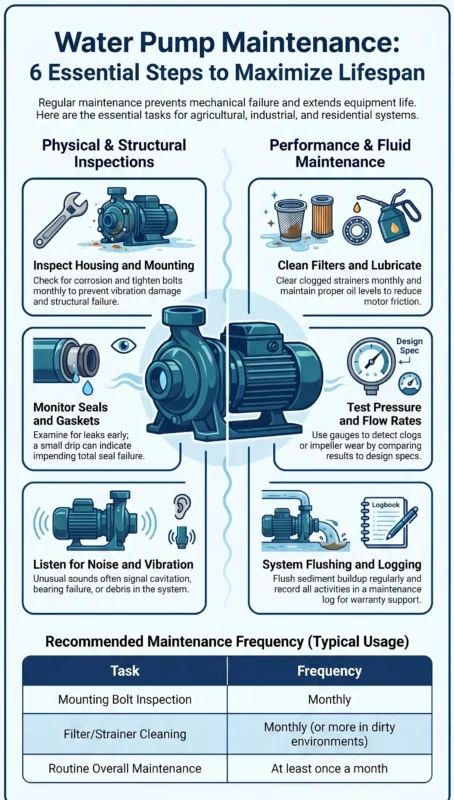
Inspect Pump Housings for Cracks or Corrosion

The pump housing is the external body that protects internal components from the environment. Over time, wear and tear, moisture, and chemical exposure can cause the housing to crack or corrode. These defects may lead to leaks, reduced efficiency, and eventual mechanical failure.

A visual inspection should be conducted regularly, especially if the pump operates in harsh conditions. Look for rust, pitting, or any structural deformities. Even minor damage, if left untreated, can grow into significant issues.

Early detection allows for timely repairs or replacements, reducing downtime and maintaining system integrity. If damage is discovered, consult with RP Pumps or a qualified technician for the appropriate corrective actions.

RP Pumps Online makes it easy to buy water pumps online with a wide selection of high-quality and reliable pump solutions. Trusted by professionals and homeowners, we ensure fast delivery and excellent customer support.

Check and Tighten All Mounting Bolts

Mounting bolts secure your pump to its base and ensure stable operation. Over time, vibrations from the motor and water flow can cause these bolts to loosen. This can lead to misalignment, excess wear, or even system collapse.

A loose pump is more susceptible to mechanical issues because it can move slightly during operation. This movement can place undue stress on connected piping and electrical wiring, leading to premature failure.

Regularly inspecting and tightening these bolts is a simple yet essential maintenance task. Make it a point to check all fasteners monthly and after any major usage spikes or mechanical servicing.

Monitor Fluid Levels and Lubrication

 Lubrication is vital for reducing friction between moving parts within the pump. Bearings and seals, in particular, need proper lubrication to function efficiently and avoid overheating. Without it, wear accelerates dramatically.

Check the oil or grease levels recommended for your specific RP pump model. Over-lubrication can be just as harmful as under-lubrication, potentially causing seal blowouts or buildup that affects pump efficiency.

Set up a scheduled routine for checking lubricant levels and replacing them as needed. Use only manufacturer-approved products to ensure compatibility and performance.

Related article: For more information about energy efficient pump, click the link.

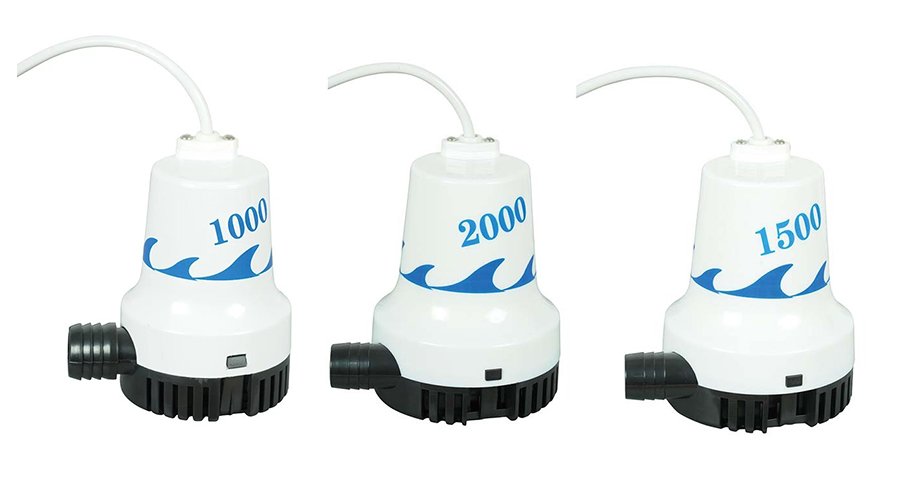
A pump is a device that moves fluids (liquids or gases), or sometimes slurries,[1] by mechanical action, typically converted from electrical energy into hydraulic or pneumatic energy.

Examine Seals and Gaskets for Leakage

Seals and gaskets are essential for maintaining airtight and watertight integrity in your pump system. Over time, they wear out due to pressure changes, temperature fluctuations, and chemical exposure.

Inspect all visible seals and gaskets for signs of leakage or wear. A small drip may not seem like a big deal, but it can indicate that a seal is failing—and a complete failure could cause extensive water damage or pump breakdown.

Replacing worn-out seals early prevents more expensive repairs down the line. Always have spare seals on hand, especially if your pump is critical to operations.

Water Pumps

Clean or Replace Filters and Strainers

Filters and strainers are designed to catch debris, sand, and particulates before they enter the pump mechanism. If these components get clogged, it can lead to reduced flow, pressure drops, and even motor burnout.

A monthly cleaning schedule for filters and strainers is typically sufficient for most operations. However, high-use systems or those operating in dirty environments may require more frequent attention.

Replace any filters that appear damaged or excessively worn. This small step can drastically improve your pump’s efficiency and protect it from internal damage.

Inspect Electrical Connections and Motor Function

Electrical components are the nerve center of any water pump system. Loose or corroded connections can lead to erratic performance, overheating, or complete shutdown.

Perform regular checks of all wiring, terminals, and electrical enclosures. Look for frayed wires, loose connections, or signs of moisture intrusion. These issues must be addressed immediately to avoid fire hazards or equipment damage.

Testing the motor’s amperage can also reveal inefficiencies or upcoming failures. If readings are outside the manufacturer’s recommended range, consult an electrician or RP Pumps service technician.

Check for Unusual Noises or Vibrations

 Strange sounds or excessive vibrations are often the first indicators that something is wrong with your pump. These could signal problems like misalignment, cavitation, bearing failure, or debris in the system.

Run your pump and pay close attention to how it sounds and feels during operation. Compare this to its normal performance profile. Any deviation should be investigated promptly. Addressing these signs early can prevent catastrophic failures and costly downtime. It also helps extend the operational life of your water pump system.

Residential Pumps

Test System Pressure and Flow Rates

Pump performance should be consistent with design specifications. Decreased pressure or irregular flow rates may indicate clogs, air leaks, or impeller wear.

Use gauges and flow meters to check pressure and flow at various system points. Document readings over time to identify downward trends that could indicate emerging issues. Routine pressure and flow testing ensures your system is working at optimal capacity. It also supports better planning for repairs or replacements.

Flush the System to Remove Buildup

Sediment, minerals, and biological buildup can accumulate in your pump system, especially in hard water or open systems. Over time, these deposits reduce efficiency and contribute to wear.

Flushing the system at regular intervals helps remove this buildup. Depending on your system, you may use clean water or specialized cleaning solutions.

Always follow manufacturer guidelines to avoid damaging internal components. A clean system ensures better performance and less mechanical stress on your pump.

Record All Maintenance Activities

 Documenting each maintenance check creates a valuable log for future reference. It provides a record of work done, issues identified, and parts replaced.

This data is essential for warranty claims, compliance reporting, and troubleshooting recurring problems. It also helps you spot trends and schedule preventive replacements more effectively.

Use a digital log or printed checklist customized to your RP Pump model. This habit ensures that no maintenance task is overlooked and keeps your system running efficiently.

Conclusion

Water pumps are engineered for durability, but they still require regular care to function at their best. Following a detailed maintenance checklist not only improves day-to-day reliability but also extends the pump’s overall lifespan.

By implementing these 10 essential tasks, RP Pumps customers can enjoy smoother operations, reduced costs, and fewer emergency repairs. For specialized guidance, always refer to your pump’s user manual or contact the RP Pumps support team. Proactive maintenance today ensures optimal performance tomorrow. Make pump care a priority, and your equipment will return the favor through years of dependable service.

FAQs

How often should I perform routine maintenance on my water pump?

Routine maintenance should be performed at least once a month for most systems. However, pumps used in demanding or continuous operations (e.g., industrial or agricultural settings) may require weekly or even daily checks depending on usage intensity.

Common signs include unusual noises, decreased water pressure, leaks, frequent cycling, or increased energy consumption. If your pump exhibits any of these symptoms, it’s time to inspect and service it.

Many routine maintenance tasks like checking bolts, inspecting for leaks, and cleaning filters can be done by a trained user. However, for tasks involving electrical components or internal repairs, it’s recommended to consult a certified technician or contact RP Pumps support.

Leave a Reply

Your email address will not be published. Required fields are marked *