Water pumps are essential components across residential, commercial, agricultural, and industrial applications. They move water from one point to another efficiently, supporting irrigation, drainage, water supply, and more. With various pump types available, choosing the right one depends on the specific needs of the system. Among the most commonly used are centrifugal pumps, submersible pumps, and diaphragm pumps. In this article, we explore these types in detail to help customers of RP Pumps make informed purchasing decisions.
What Is a Centrifugal Water Pump and How Does It Work?
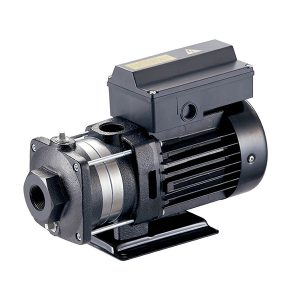
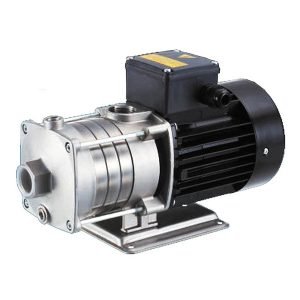
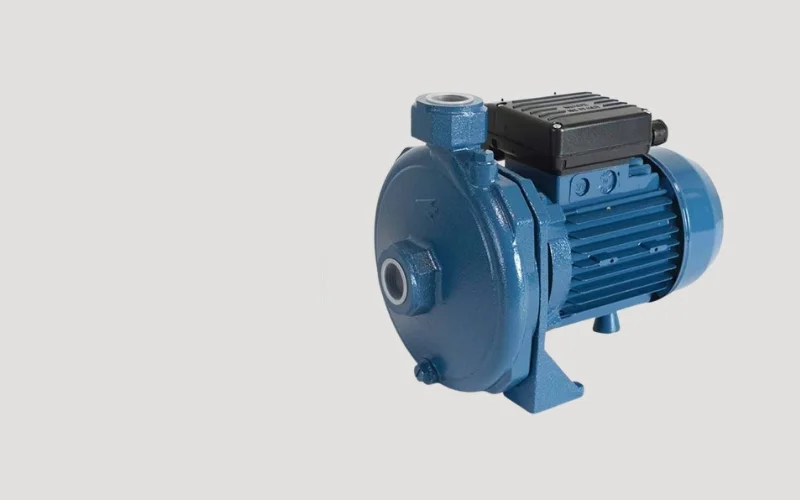
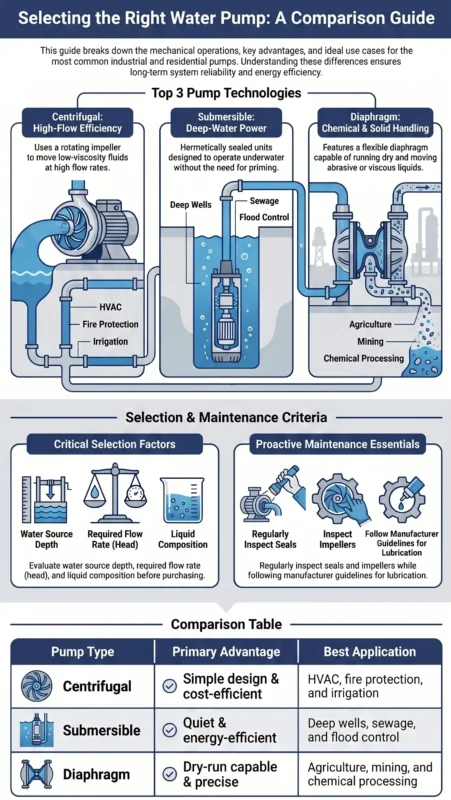
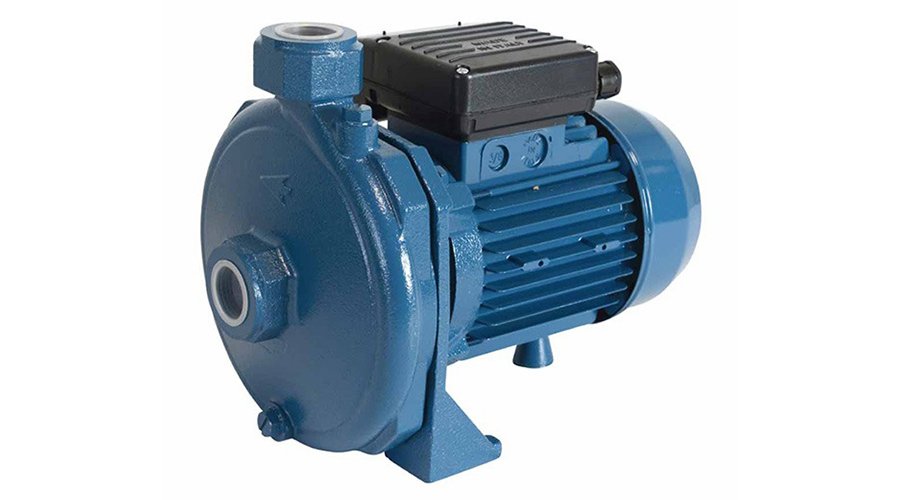
Centrifugal water pumps are among the most commonly used pumps globally. They operate using a rotating impeller that adds velocity to water and converts it into flow. When water enters the pump casing, it is spun rapidly by the impeller and directed outward through a discharge outlet.
These pumps are best suited for transferring low-viscosity fluids at high flow rates. Their design makes them efficient for handling large volumes of water in municipal, agricultural, and industrial settings. Centrifugal pumps also come in single-stage or multi-stage configurations, depending on the pressure requirements.
Due to their simple mechanical structure and minimal moving parts, centrifugal pumps are easy to maintain and repair. They’re typically used in applications such as water supply systems, fire protection, and cooling towers. At RP Pumps, you can find models suitable for everything from residential gardens to heavy-duty industrial applications.
RP Pumps Online offers a wide selection of high-quality water pumps for residential, commercial, and industrial use. Whether you’re looking for powerful centrifugal pumps for high-flow systems or efficient submersible pumpsfor deep well applications, we have you covered. Our expert support and fast shipping ensure a hassle-free buying experience. Shop trusted brands and get the right pump for the job—every time.
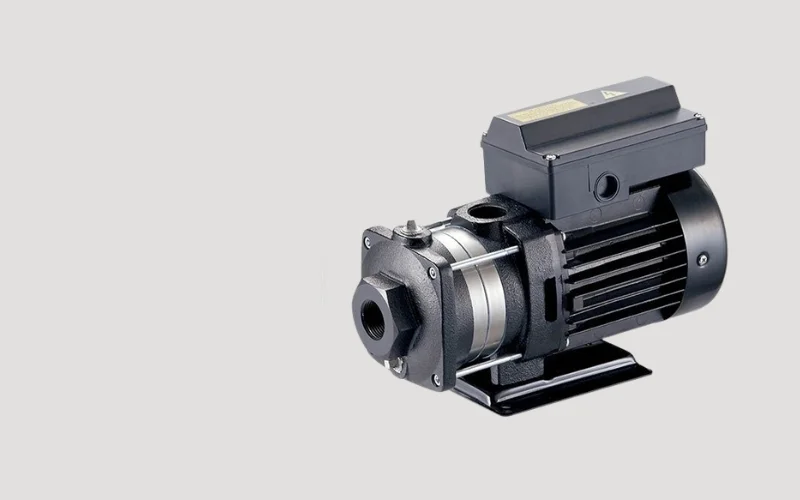
CBI 4-20 Multi-Stage Horizontal Water Pump - 2400 GPH, 1 HP, 220/460 Volts, 1 1/4 in. Suction, 3P
$606.99
Key Advantages of Using Centrifugal Pumps
Centrifugal pumps are praised for their simplicity and cost-efficiency. Because they contain fewer components than other types of pumps, they are less prone to mechanical failure and easier to service. This translates to lower maintenance costs and longer service life.
They are also highly versatile. Centrifugal pumps can handle a wide range of liquid temperatures, pressures, and chemical compositions, depending on the materials used in their construction. This adaptability makes them a favorite for general-purpose applications, including water circulation and HVAC systems.
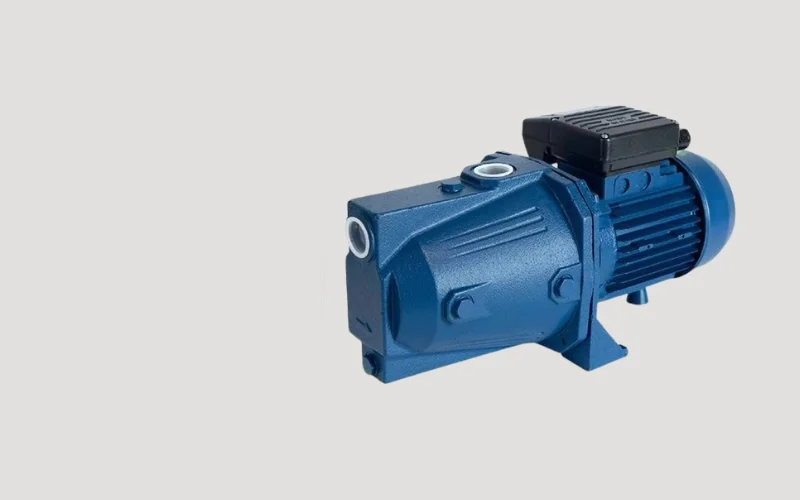
Another major advantage is the ease of priming in modern self-priming models. Traditional centrifugal pumps require manual priming, but newer models available through RP Pumps come with built-in features to make operation more user-friendly and efficient for various needs.
Centrifugal pumps are used to transport fluids by the conversion of rotational kinetic energy to the hydrodynamic energy of the fluid flow. The rotational energy typically comes from an engine or electric motor. They are a sub-class of dynamic axisymmetric work-absorbing turbomachinery.[1] The fluid enters the pump impeller along or near to the rotating axis and is accelerated by the impeller, flowing radially outward into a diffuser or volute chamber (casing), from which it exits.
Submersible Pumps: Designed to Go Underwater
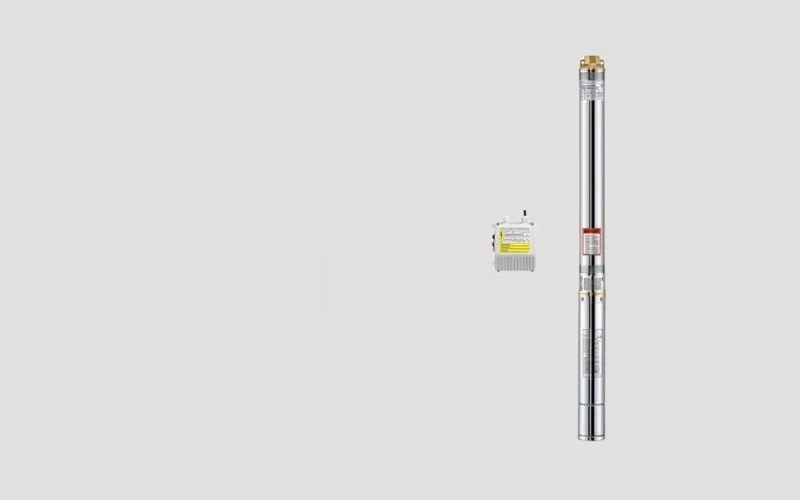
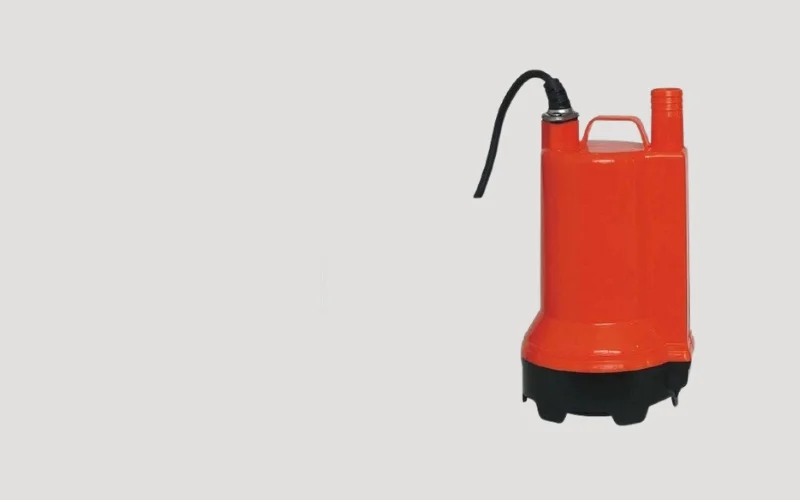
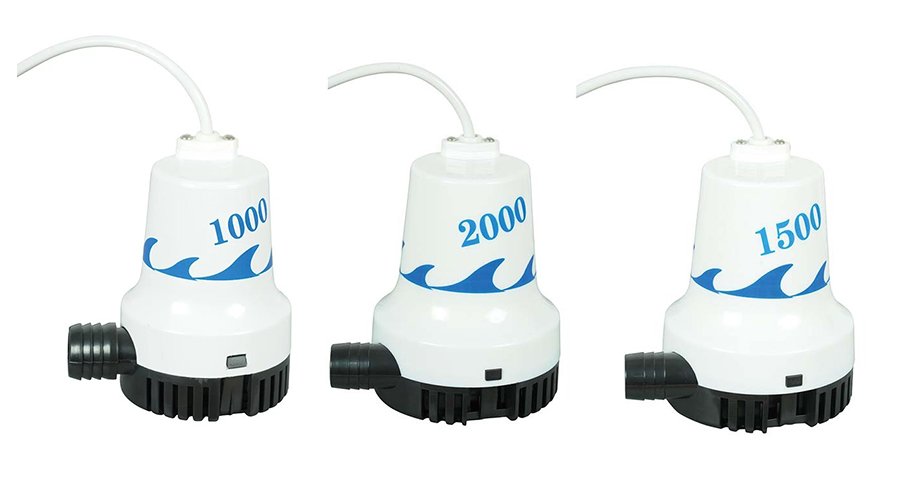
Submersible pumps are unique in that they are designed to operate while fully submerged in the fluid they are pumping. These pumps are hermetically sealed and typically feature a watertight motor housing, which prevents water from coming into contact with sensitive internal components.
One of the most significant benefits of submersible pumps is that they eliminate the need for priming. Since they are already under the water, gravity and pressure naturally help push the fluid into the pump, making them more energy-efficient and simpler to operate in deep water environments.
Common applications include deep well pumping, sewage treatment, and flood control. Submersible pumps are also ideal for draining basements, emptying ponds, and handling wastewater. At RP Pumps, you’ll find submersible options tailored to both clean and dirty water applications.
Benefits of Submersible Water Pumps
Submersible pumps offer several advantages, especially in applications where space and noise are concerns. Because these pumps are submerged, they operate quietly and take up less surface space, making them ideal for residential or noise-sensitive environments.
They are also highly energy-efficient. By being positioned directly in the water source, submersible pumps require less effort to move water vertically compared to surface pumps. This efficiency can lead to lower energy bills and reduced strain on the system.
Additionally, submersible pumps are less prone to cavitation, a problem where air bubbles form and damage internal parts. This durability makes them a smart long-term investment for homeowners, contractors, and facility managers looking for reliable performance in challenging conditions.
water pump types | types of submersible pump | different types of water pumps
What Makes Diaphragm Pumps Unique?
Submersible diaphragm pumps function differently from centrifugal or submersible models. They use a flexible diaphragm that moves back and forth to create a vacuum and push fluid through the system. This method allows for extremely precise fluid control, especially with slurries, chemicals, or thick liquids.
One of the defining characteristics of diaphragm pumps is their ability to run dry without damage, which is not true for most pump types. This makes them highly reliable in applications where liquid flow may be intermittent or where dry operation is unavoidable.
In addition to being dry-run capable, diaphragm pumps are also self-priming and offer a high level of chemical resistance. At RP Pumps, you’ll find diaphragm models designed for both manual and automated operation, perfect for industries like agriculture, pharmaceuticals, and chemical processing.
Best Applications for Diaphragm Pumps
Diaphragm pumps excel in environments where liquids may be abrasive, viscous, or chemically aggressive. Because they can handle solids and sensitive fluids, they are widely used in industries like food processing, mining, and waste management.
In agriculture, these pumps are often used for spraying fertilizers or pesticides, as they offer controlled and consistent flow. Their robust construction ensures they stand up to harsh chemicals and repeated use without breakdowns.
Another major application is in portable systems, such as drum or barrel pumps. Since diaphragm pumps are compact and efficient, they can be easily moved and used across different jobsites, offering flexibility for both large-scale and small-scale operations.
Comparing Centrifugal vs. Submersible Pumps: Which One Fits Your Needs?
When choosing between centrifugal and submersible pumps, it’s important to consider the installation environment and operational goals. Centrifugal pumps are excellent for surface-level applications where ease of access and regular maintenance are priorities.
On the other hand, submersible pumps shine in deep or submerged environments where self-priming and quiet operation are critical. These pumps work well in wells, sumps, or flooded areas and don’t require much space above ground, making them more aesthetically pleasing for residential setups.
Each type has its strengths. If your application involves shallow sources and high-volume transfer, centrifugal may be best. If you’re dealing with deep water or need energy efficiency and low noise, a submersible pump types from RP Pumps could be the ideal solution.
water pumps types |
Maintenance Tips for Long-Lasting Water Pump Performance
Proper maintenance is key to maximizing the life and efficiency of your water pump. Regularly inspect seals, bearings, and impellers for wear or damage. Keeping components clean prevents buildup that can reduce performance or lead to costly breakdowns.
Lubrication is also essential. Follow manufacturer guidelines for oiling or greasing parts, especially for diaphragm and centrifugal pumps. Submersible pumps may need seal checks to prevent water ingress, especially if used in dirty or corrosive environments.
RP Pumps recommends creating a seasonal maintenance schedule and keeping replacement parts on hand. With proactive care, your pump can deliver reliable service for years, reducing downtime and long-term costs.
Selecting the right water pump involves more than just price. Consider the flow rate you need, the height the pump must lift the water (known as head), and the type of liquid being moved—clean, dirty, or chemically aggressive.
It’s also important to think about the power source (electric, diesel, solar), the installation environment (above ground or submerged), and your long-term maintenance capabilities. Every application is unique, and the wrong pump can lead to inefficiency and failure.
That’s why RP Pumps offers personalized assistance. Our knowledgeable team can help match your needs with the perfect product, whether it’s centrifugal for irrigation, submersible for drainage, or diaphragm for precision handling.
Why RP Pumps Is Your Trusted Source for Quality Water Pumps Online
RP Pumps offers a wide selection of high-quality pumps sourced from top manufacturers. Whether you’re searching for a simple garden pump or an industrial-grade diaphragm unit, our catalog features reliable, tested equipment for every budget and application.
In addition to competitive pricing, RP Pumps provides expert support, fast shipping, and helpful resources to guide your selection process. We make buying water pumps online simple and stress-free.
Our goal is to empower customers with the right tools and knowledge. Browse our website today to find the best centrifugal, submersible, or diaphragm pump—and experience the RP Pumps difference.
Conclusion
Understanding the key differences between centrifugal, submersible, and diaphragm pumps allows you to choose the most effective solution for your water-moving needs. Each type has its own strengths and ideal use cases, from high-volume irrigation to deep well pumping or chemical handling.
By investing in the right pump, you ensure long-term reliability, lower energy costs, and smoother operations. Whether you’re managing a commercial facility or working on a home improvement project, RP Pumps has the expertise and inventory to help.
Visit RP Pumps’ online store today and take the guesswork out of buying water pumps. With expert advice and top-quality products, we’re here to keep your systems running efficiently and reliably.
FAQs
Are diaphragm pumps suitable for dirty or abrasive water?
Yes, diaphragm pumps are specifically designed to handle dirty, abrasive, or chemically aggressive liquids. They can move slurries, solids, and viscous fluids without damage, making them ideal for industrial, agricultural, and chemical applications. Their ability to run dry without harm also makes them highly durable.
Which pump type is best for residential water supply? Which types of water pumps for irrigation is suitable?
For most residential water supply systems, a centrifugal pump or a submersible pump is recommended. If the water source is deep (like a well), a submersible pump is more efficient. For shallow sources or irrigation systems, a centrifugal pump may be more cost-effective and easier to maintain.
How do I choose the right water pump for my needs?
To choose the right water pump, consider factors such as:
Water source depth
Required flow rate and pressure
Type of liquid (clean, dirty, chemical)
Power availability
Installation space
Consulting with RP Pumps’ experts can help you make the most suitable choice based on your specific requirements.
The text carries quiet elegance, where each phrase contributes to reflective flow and meditative cadence. The reader is guided gently through ideas, emotion, and nuance.




The text carries quiet elegance, where each phrase contributes to reflective flow and meditative cadence. The reader is guided gently through ideas, emotion, and nuance.