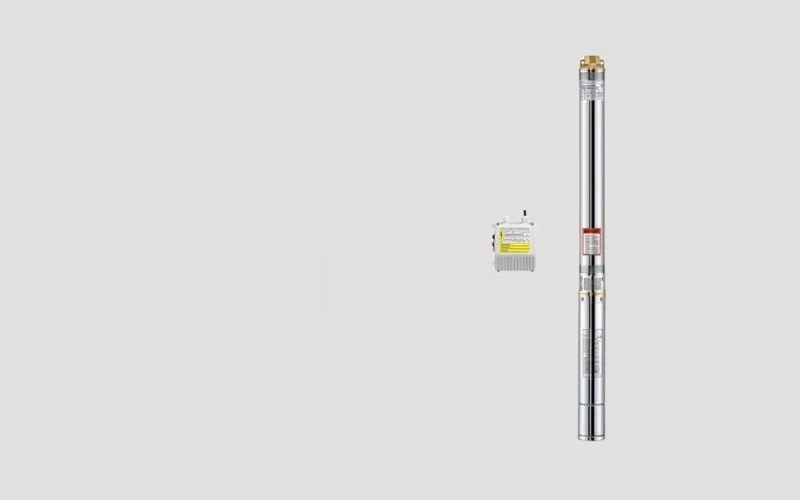
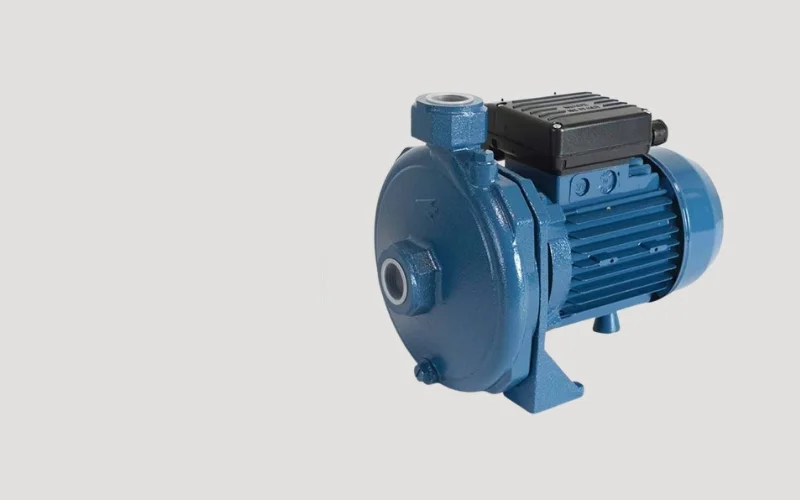
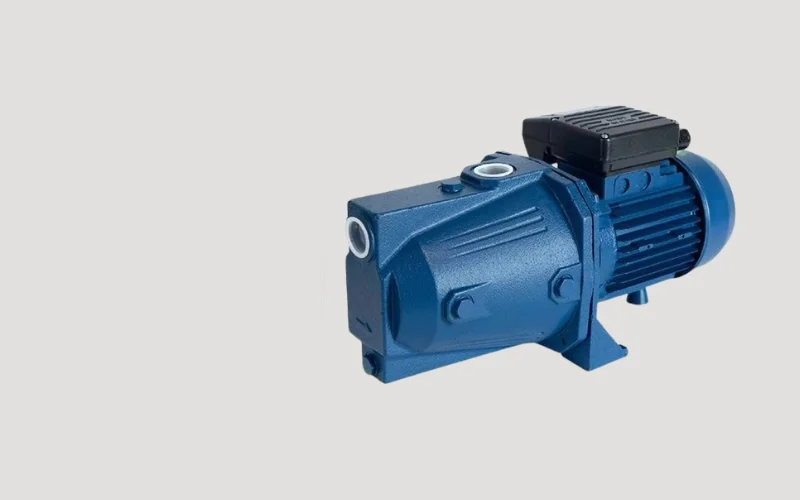
Selecting the correct pump is critical for ensuring performance, efficiency, and longevity in industrial systems. Two of the most common pump categories—centrifugal pumps and positive displacement pumps—serve distinct purposes, and understanding their differences is key to making the right decision. In this article, we break down the core distinctions between these pump types to help you choose the best fit for your application.
Centrifugal pumps operate by using a rotating impeller to impart kinetic energy to the fluid. As the impeller spins, it pushes the liquid outward into the pump casing, converting velocity into pressure energy. This design allows for high flow rates and is best suited for low-viscosity fluids.
Positive displacement pumps, on the other hand, function by trapping a specific volume of fluid and mechanically moving it through the pump chamber. This type of pump includes gear, diaphragm, and piston models, each pushing fluid through with precision and consistency.
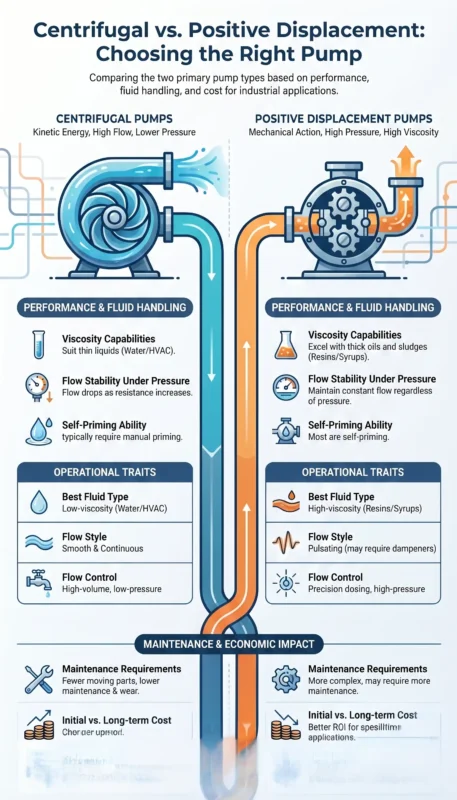
Because of these operational differences, centrifugal pumps are generally better for continuous, high-flow applications, while positive displacement pumps excel in situations requiring high pressure or the movement of viscous or sensitive fluids.
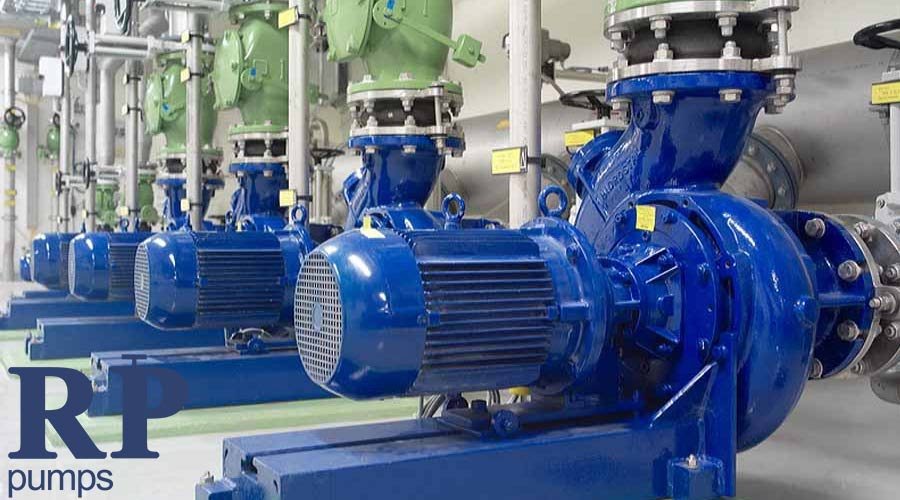
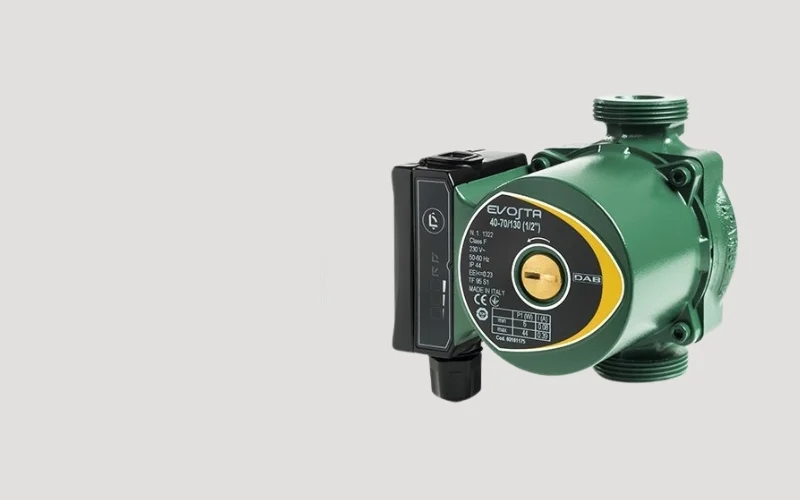
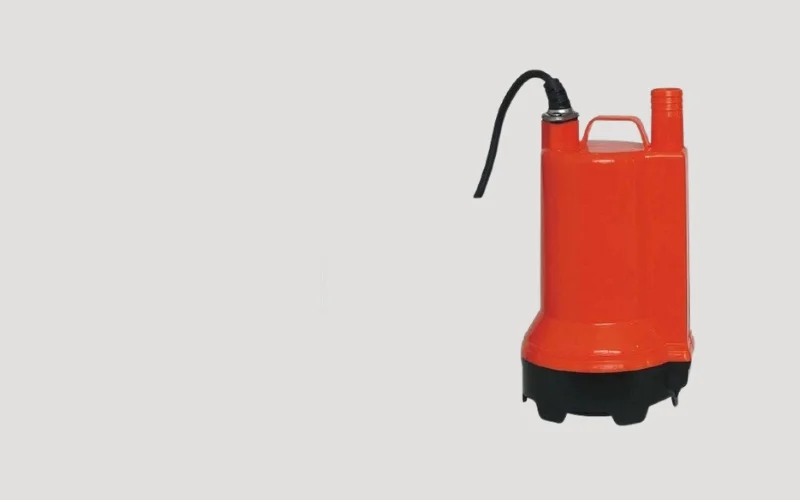
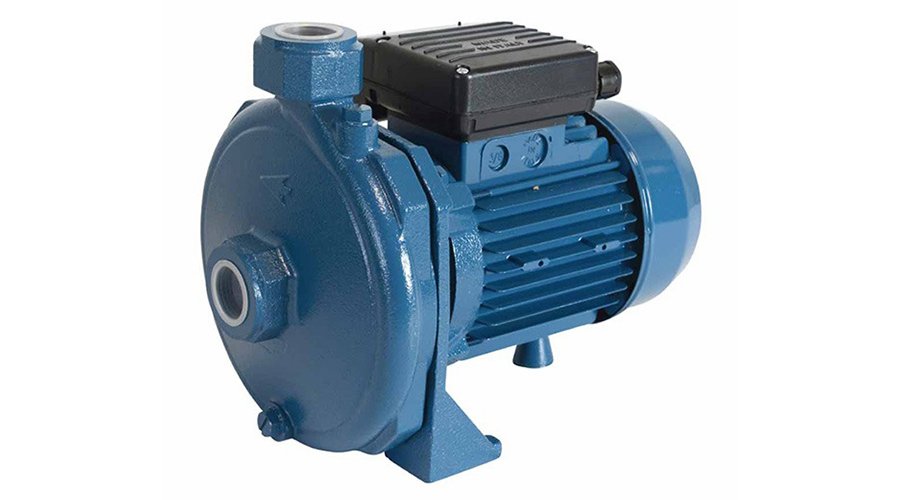
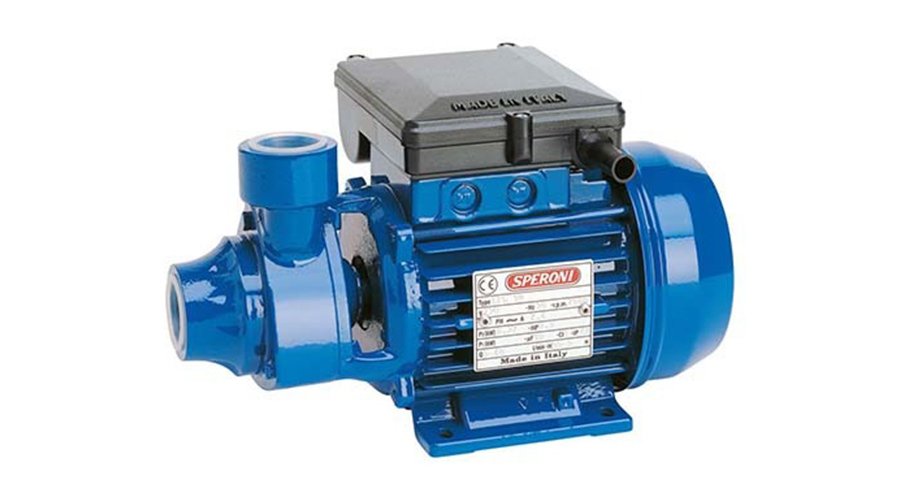
RP Pumps Online offers a wide selection of high-performance Centrifugal Pumps designed for reliable fluid handling across various industries. Our pumps combine efficiency, durability, and cost-effectiveness to meet your application needs. Explore our Centrifugal Pumps category and find the ideal solution for your system.
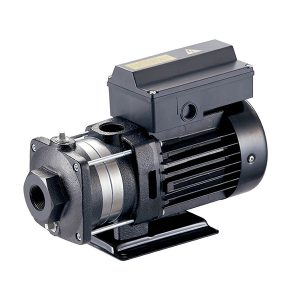
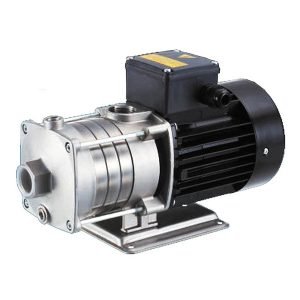
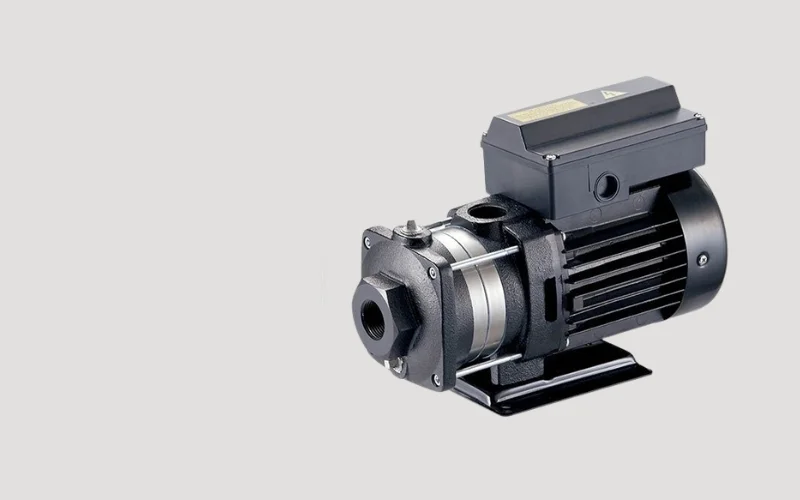
CBI 4-20 Multi-Stage Horizontal Water Pump - 2400 GPH, 1 HP, 220/460 Volts, 1 1/4 in. Suction, 3P
$606.99
Flow Rate Behavior Under Pressure
In centrifugal pumps, flow rate is directly affected by changes in system pressure. As resistance increases in the piping system, the flow rate decreases. This makes centrifugal pumps less ideal for systems with fluctuating pressure demands.
Positive displacement pumps provide a consistent flow regardless of pressure changes in the system. This makes them reliable in applications requiring steady delivery, such as dosing chemicals or handling fluids under high pressure.
Understanding how each pump type responds to pressure changes is crucial in maintaining operational efficiency. Systems requiring stable flow should lean toward positive displacement designs, while those with low-pressure, high-volume needs might benefit more from centrifugal options.
Related article: For more information about water pump types, click the link.
Centrifugal pumps are used to transport fluids by the conversion of rotational kinetic energy to the hydrodynamic energy of the fluid flow. The rotational energy typically comes from an engine or electric motor. They are a sub-class of dynamic axisymmetric work-absorbing turbomachinery.[1] The fluid enters the pump impeller along or near to the rotating axis and is accelerated by the impeller, flowing radially outward into a diffuser or volute chamber (casing), from which it exits.
Which Pump Handles Thick Liquids Better?
Viscosity plays a critical role in pump performance. Centrifugal pumps lose efficiency rapidly as fluid viscosity increases. Thicker fluids create more resistance, making it difficult for the impeller to impart enough energy for effective flow.
Positive displacement pumps excel in high-viscosity environments. They move fluids by mechanical displacement, which is not significantly affected by fluid thickness. This makes them ideal for handling oils, resins, syrups, and sludges.
When dealing with viscous fluids, the reduced efficiency of centrifugal pumps can result in higher energy consumption and more wear and tear. Positive displacement pumps are often the preferred choice for these challenging applications.
Centrifugal pumps are widely used in water supply systems, HVAC units, irrigation, and other applications where low-viscosity fluids need to be moved quickly and efficiently. Their ability to handle large volumes at low pressure makes them a go-to choice in many industrial settings.
Positive displacement pumps are favored in more specialized industries such as food and beverage, pharmaceuticals, and chemical processing. They provide precise flow control and can handle aggressive, viscous, or shear-sensitive materials with ease.
Knowing which pump suits which application ensures not only better performance but also longer equipment life and reduced operational costs. Always align the pump type with the nature of the job.
centrifugal pump and positive displacement pump | positive displacement vs centrifugal pump
Efficiency and Energy Consumption
Centrifugal pumps are generally more efficient in high-flow, low-pressure scenarios with low-viscosity fluids. Their simpler design and fewer moving parts contribute to lower energy usage in such conditions.
In contrast, positive displacement pumps can be more efficient when dealing with high-pressure applications or viscous fluids. Their ability to maintain consistent flow despite pressure changes allows for predictable performance.
Energy consumption often hinges on matching the pump to the right application. Misapplication can lead to inefficiencies, regardless of pump type, so consider fluid properties and system design when evaluating energy use.
Maintenance and Wear Considerations
Centrifugal pumps are known for their low maintenance requirements due to fewer moving parts and a simpler design. When operated within their specified limits, they offer long service life with minimal attention.
Positive displacement pumps, however, often require more frequent maintenance. Components like seals, valves, and pistons can wear faster, especially when handling abrasive or high-viscosity fluids.
Proper pump selection and routine maintenance are key to minimizing downtime. Understanding the wear characteristics of each pump type helps in planning maintenance schedules and budgeting for spare parts.
Pulsation and Flow Smoothness
Centrifugal pumps offer a continuous, smooth flow which is ideal for applications where fluid stability is essential, such as in cooling systems or water distribution networks.
Positive displacement pumps may produce a pulsating flow due to their mechanical movement. This can be mitigated with the use of pulsation dampeners or accumulators, especially in sensitive processes.
In systems where pulsation can lead to issues such as vibration, noise, or uneven flow, understanding the impact of pump choice is essential. Always consider the nature of your application when evaluating flow characteristics.
positive displacement pump vs centrifugal pump | centrifugal pump vs positive displacement pump
Self-Priming Capabilities
Most centrifugal pumps require priming before operation. Without fluid in the pump casing, they can’t create the vacuum necessary to draw liquid into the system.
Positive displacement pumps, in contrast, are often self-priming. They can evacuate air from the lines and begin fluid movement without external assistance, making them suitable for applications where dry-start capability is important.
This characteristic makes positive displacement pumps advantageous in systems where suction lift or intermittent flow occurs, such as in tanker unloading or sump applications.
Cost Differences and ROI
Centrifugal pumps usually offer a lower initial cost and are readily available in a wide range of sizes and materials. Their lower complexity often translates into lower capital expenditure.
Positive displacement pumps tend to have higher upfront costs, particularly for specialized models. However, in the right applications, their performance advantages can result in a higher return on investment over time.
Long-term costs, including maintenance, energy, and operational efficiency, should all factor into ROI calculations. The best value often comes from choosing a pump that meets your application’s specific needs.
Choosing the Right Pump for Your Application
Selecting the right pump type depends on multiple variables including fluid characteristics, system pressure, required flow rate, and the specific industry or process needs.
Centrifugal pumps work best for simple, high-volume fluid transfer of clean, low-viscosity liquids. Positive displacement pumps are better for precision dosing, thick fluids, or situations with variable pressure demands. Consulting with a pump expert or supplier like RP Pumps can help ensure that your choice delivers optimal performance, efficiency, and reliability.
Conclusion
Both centrifugal and positive displacement pumps have their place in industrial operations. Each excels in specific scenarios, and understanding their differences can prevent costly mistakes.
By evaluating your system’s requirements and fluid characteristics, you can make an informed decision that enhances productivity and reduces operational risk. At RP Pumps, we offer expert guidance and a wide selection of top-quality pumps for every application. Contact our team today to find the perfect solution for your needs.
FAQs
What is the main difference between a centrifugal pump and a positive displacement pump?
The main difference lies in their operating principles. A centrifugal pump uses a spinning impeller to generate flow by converting kinetic energy into pressure. A positive displacement pump moves a fixed amount of fluid per cycle by mechanically displacing it, offering consistent flow regardless of pressure.
Which pump type is better for high-viscosity fluids?
Positive displacement pumps are better suited for high-viscosity fluids such as oils, slurries, and syrups. Their mechanical displacement method is less affected by fluid thickness compared to centrifugal pumps, which lose efficiency with thicker liquids.
Are centrifugal pumps self-priming?
Most centrifugal pumps are not self-priming and require priming before operation. Without fluid in the casing, they cannot generate suction. However, self-priming centrifugal pump models are available for specific use cases.