

0.5HP pump for small farm

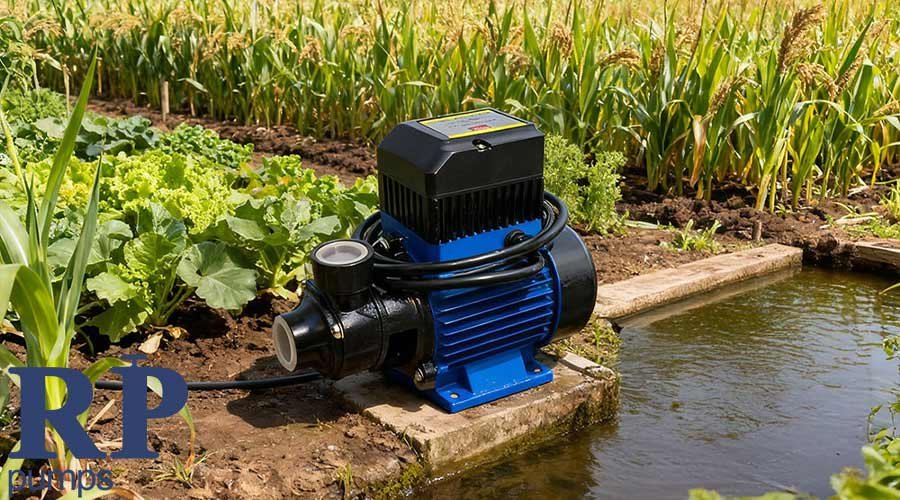
Water management is one of the most critical aspects of running a successful small farm. From irrigating crops to supplying water for livestock and daily farm operations, having a reliable pump can make all the difference. A 0.5HP pump for small farm use is a practical and cost-effective solution designed to meet moderate water requirements without excessive energy consumption.
For farmers looking to balance performance, affordability, and efficiency, a half-horsepower pump offers the right combination of power and control. It is especially suitable for small plots, gardens, greenhouses, and family-run farms where water demand is consistent but not industrial-scale.
This article examines the following topics:
Why a 0.5HP Pump Is Ideal for Small Farms
A 0.5HP pump is perfectly suited for small farms because it provides sufficient pressure and flow for everyday agricultural activities. It is strong enough to support irrigation systems and water transfer tasks without the excessive power output of larger pumps.
Another advantage lies in its compact and lightweight design. These pumps are easy to install and relocate, allowing farmers to adapt their setup as seasonal needs change. This flexibility is especially useful for farms with multiple watering points or temporary irrigation layouts.
Additionally, the balanced performance of a 0.5HP pump minimizes wear on mechanical components. This results in smoother operation, reduced vibration, and improved durability—key factors for farmers who rely on consistent performance throughout the growing season.
Power your farm and irrigation needs with a high-performance submersible pump from RP Pumps Online. Durable, energy-efficient, and reliable solutions designed for consistent water supply you can trust.
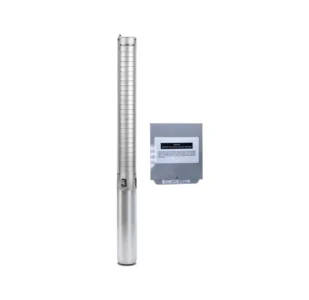
5 HP Submersible 21 GPM Deep Well Water Pump - 230V - 1P - SS316 - 4" - 1165ft Motor with Splice kit
5 HP Submersible 3360 GPH Deep Well Water Pump - 230V - 3PH - SS316 - 4" - 410ft Motor with Splice kit
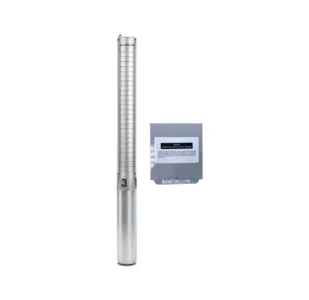
5 HP Submersible 3 Wire Motor 32 GPM Deep Well Water Pump - 230V - 1P - SS316 - 4" - 788ft Motor with Splice kit
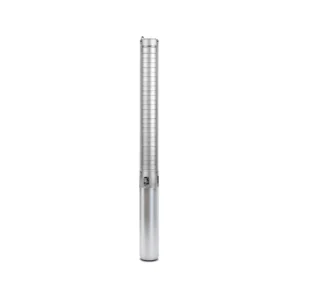
5 HP Submersible 56 GPM Deep Well Water Pump - 460V - 3P - SS316 - 4" - 410ft Motor with Splice kit
Key Applications of a 0.5HP Pump on Small Farms
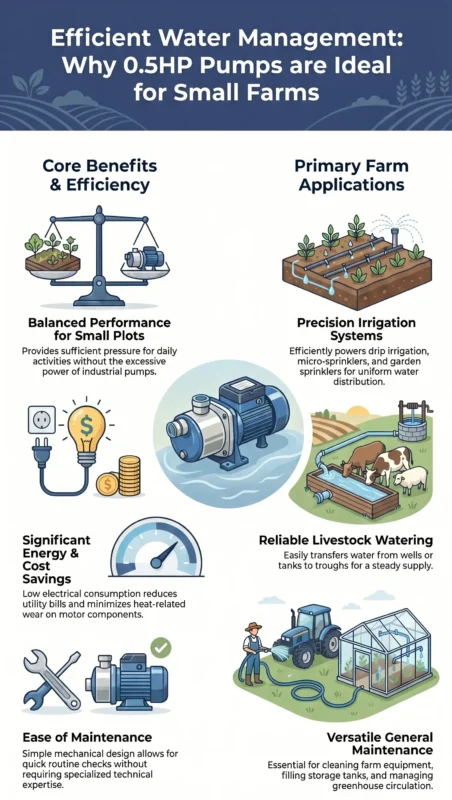
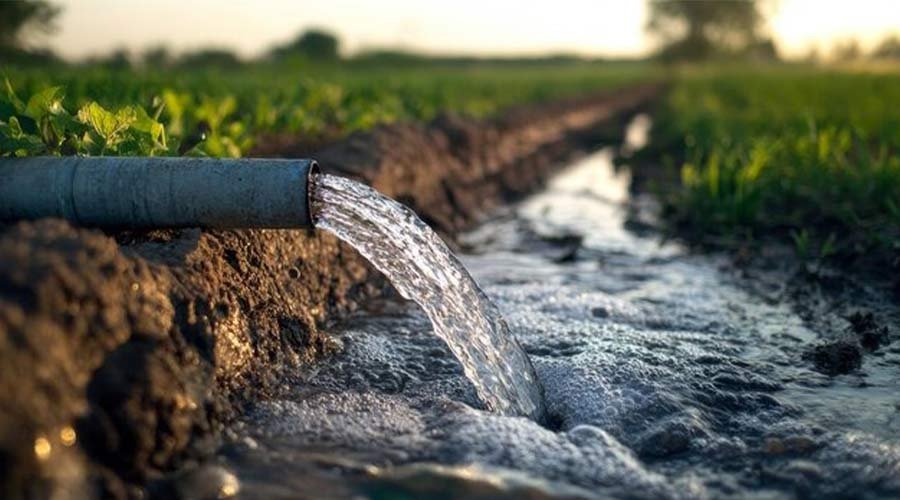
Irrigation is the primary application of a 0.5HP pump on small farms. It works efficiently with drip irrigation systems, micro-sprinklers, and garden sprinklers, ensuring uniform water distribution across crops and reducing water waste.
Beyond irrigation, these pumps are commonly used for livestock watering. They can easily transfer water from wells, tanks, or reservoirs to troughs, ensuring animals have a steady and reliable water supply at all times.
A 0.5HP pump is also useful for general farm maintenance tasks such as cleaning equipment, filling storage tanks, and managing water circulation in greenhouses. This versatility makes it an essential tool for day-to-day farm operations.
Related article: For more information about quiet water pumps, click the link.
Energy Efficiency and Cost Savings
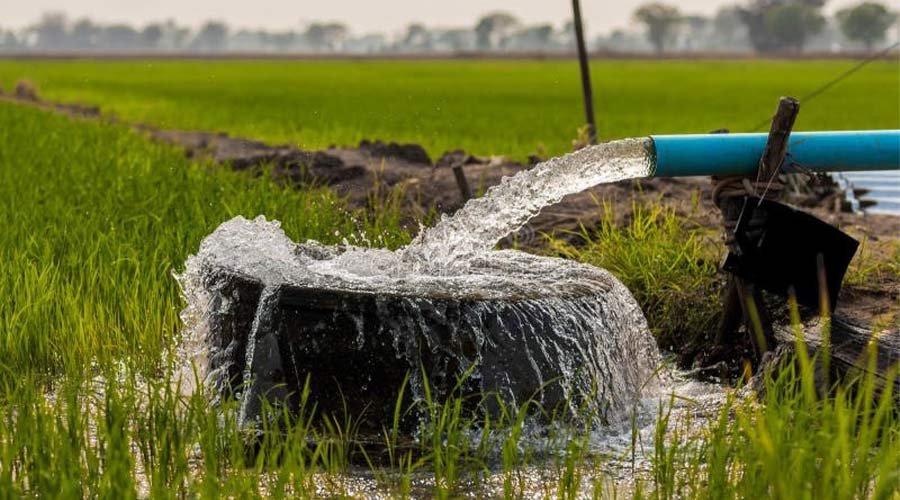
One of the standout benefits of a 0.5HP pump is its low energy consumption. Because it requires less electrical power, it significantly reduces electricity costs compared to higher-capacity pumps, making it ideal for budget-conscious farmers.
Efficient energy use also means less heat generation during operation. This reduces stress on internal components such as the motor and bearings, helping the pump run smoothly even during extended use.
Over time, these efficiency benefits translate into long-term savings. Lower energy bills, fewer repairs, and extended pump lifespan make a 0.5HP pump a cost-effective investment for small farms aiming to maximize returns.
Related article: For more information about greenhouse pump, click the link.
Ease of Maintenance and Long-Term Reliability
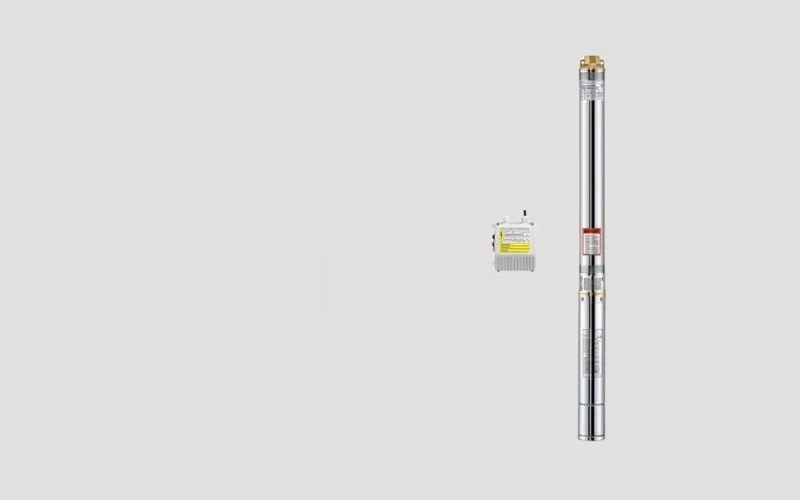
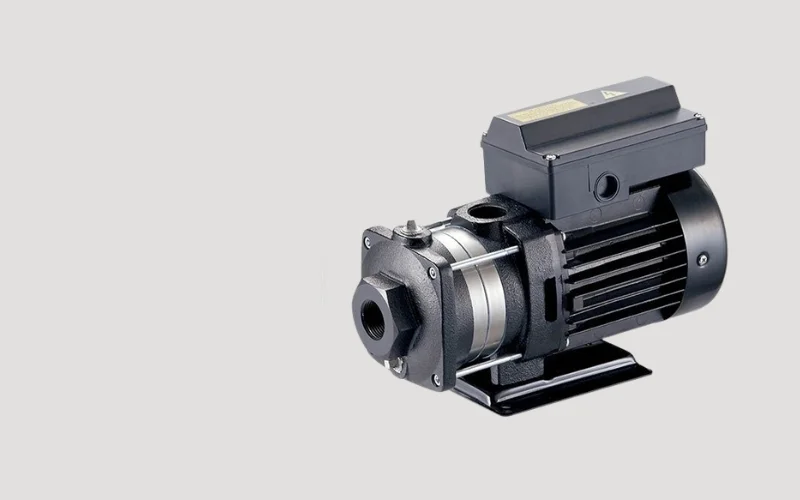
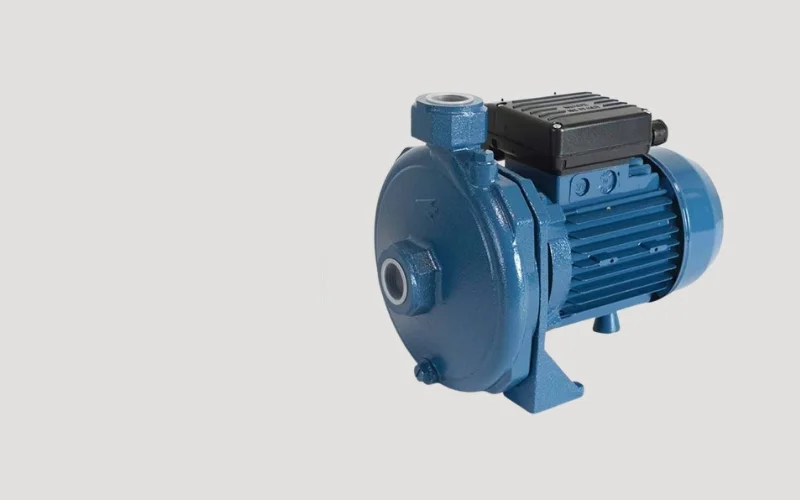
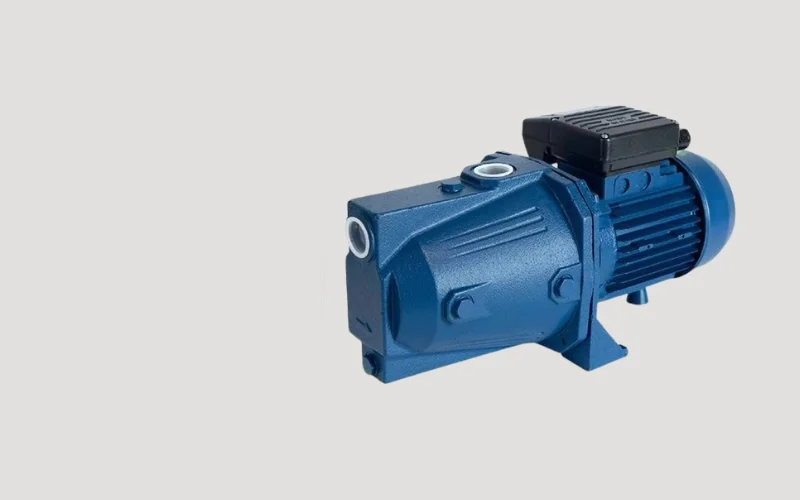
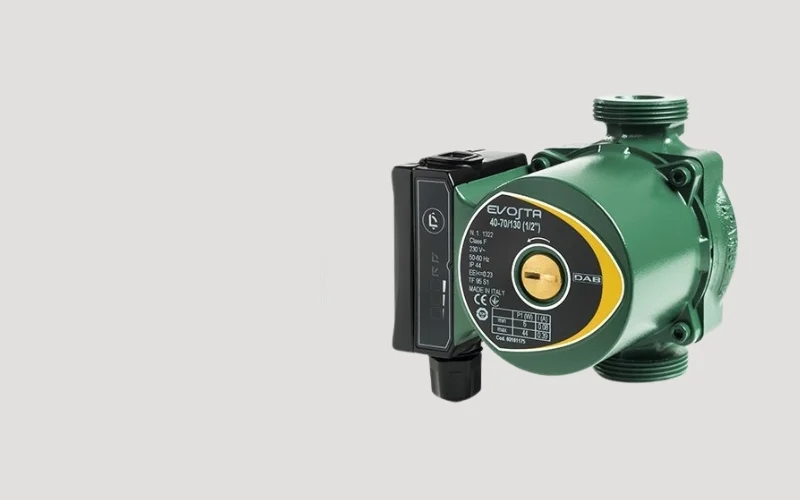
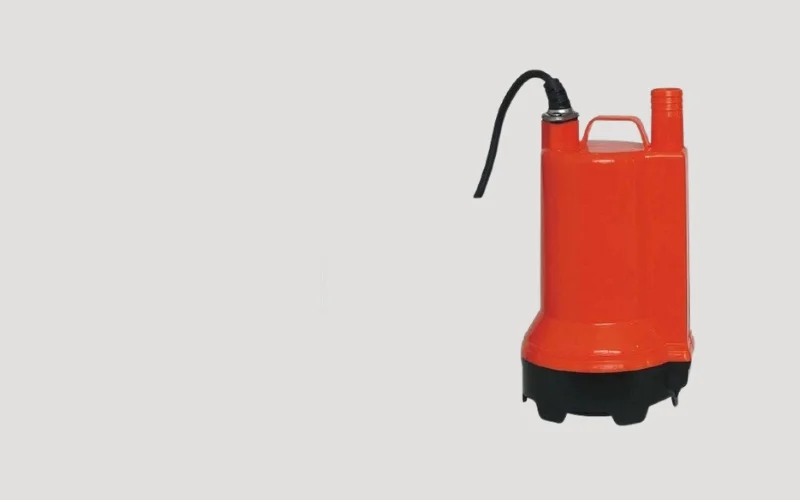
Maintenance is simple and straightforward with a 0.5HP pump, making it suitable for farmers without technical expertise. Routine checks such as cleaning filters, inspecting seals, and ensuring proper alignment can be done quickly.
The simple mechanical design of these pumps reduces the likelihood of frequent breakdowns. With fewer complex components, the risk of operational failure is minimized, ensuring consistent water supply when it is needed most.
When properly maintained, a 0.5HP pump can deliver reliable performance for many years. Its durability and ease of servicing help reduce downtime, allowing farmers to focus more on crop management and productivity.
How to Choose the Right 0.5HP Pump for Your Farm
Selecting the right 0.5HP pump begins with understanding your farm’s water requirements. Factors such as water source depth, distance to delivery points, and required flow rate should be carefully evaluated before making a decision.
It is also important to consider the type of water being pumped. If the water contains fertilizers, minerals, or sediments, choosing a pump made from corrosion-resistant materials will enhance durability and performance.
Finally, partnering with a trusted supplier ensures access to quality products and after-sales support. A well-chosen 0.5HP pump tailored to your farm’s needs will deliver efficient operation and long-term value.
Conclusion
A 0.5HP pump for small farm applications offers the perfect balance of performance, efficiency, and affordability. It meets essential water needs without excessive power consumption, making it an excellent choice for small-scale agriculture.
From irrigation and livestock watering to general farm maintenance, this pump size delivers reliable and versatile performance. Its energy efficiency and low maintenance requirements further enhance its appeal.
By investing in a quality 0.5HP pump, small farm owners can achieve better water management, reduce operational costs, and ensure consistent productivity throughout the farming season.
FAQs
Is a 0.5HP pump enough for crop irrigation?
Yes, a 0.5HP pump is ideal for small-scale irrigation systems such as drip irrigation, micro-sprinklers, and garden sprinklers. It ensures uniform water distribution for small plots, gardens, and greenhouses.
How much electricity does a 0.5HP pump consume?
A 0.5HP pump consumes relatively low electricity compared to higher-capacity pumps. This makes it a cost-effective option for small farms looking to reduce energy bills while maintaining reliable water supply.
Can a 0.5HP pump be used with a water tank or shallow well?
Yes, these pumps work efficiently with water tanks, ponds, canals, and shallow wells. They are designed to handle moderate suction depth and are suitable for most small farm water sources.
Is a 0.5HP pump easy to maintain?
A 0.5HP pump is easy to maintain with basic routine checks such as cleaning filters, inspecting seals, and ensuring proper electrical connections. Simple maintenance helps extend the pump’s lifespan and ensures consistent performance.